Python regius
Ball Python
6 active listings · Reptiles · Snakes
Category
Reptiles
Origin
West and Central Africa
Lifestyle
Terrestrial
Difficulty
Beginner
About the species
Ball Python (Python regius) is a heavy-bodied, non-venomous snake from western and central Africa. It inhabits primarily savannas, grasslands, and forest edges, where it uses burrows, crevices, and other hides. Adults usually reach about 120–150 cm in length. The species is known for a characteristic defensive response of coiling the body into a tight ball. In captivity it occurs in a very large number of colour and pattern varieties known as morphs.
Origin and distribution
West and Central Africa
It occurs naturally in West and Central Africa.
Current listings
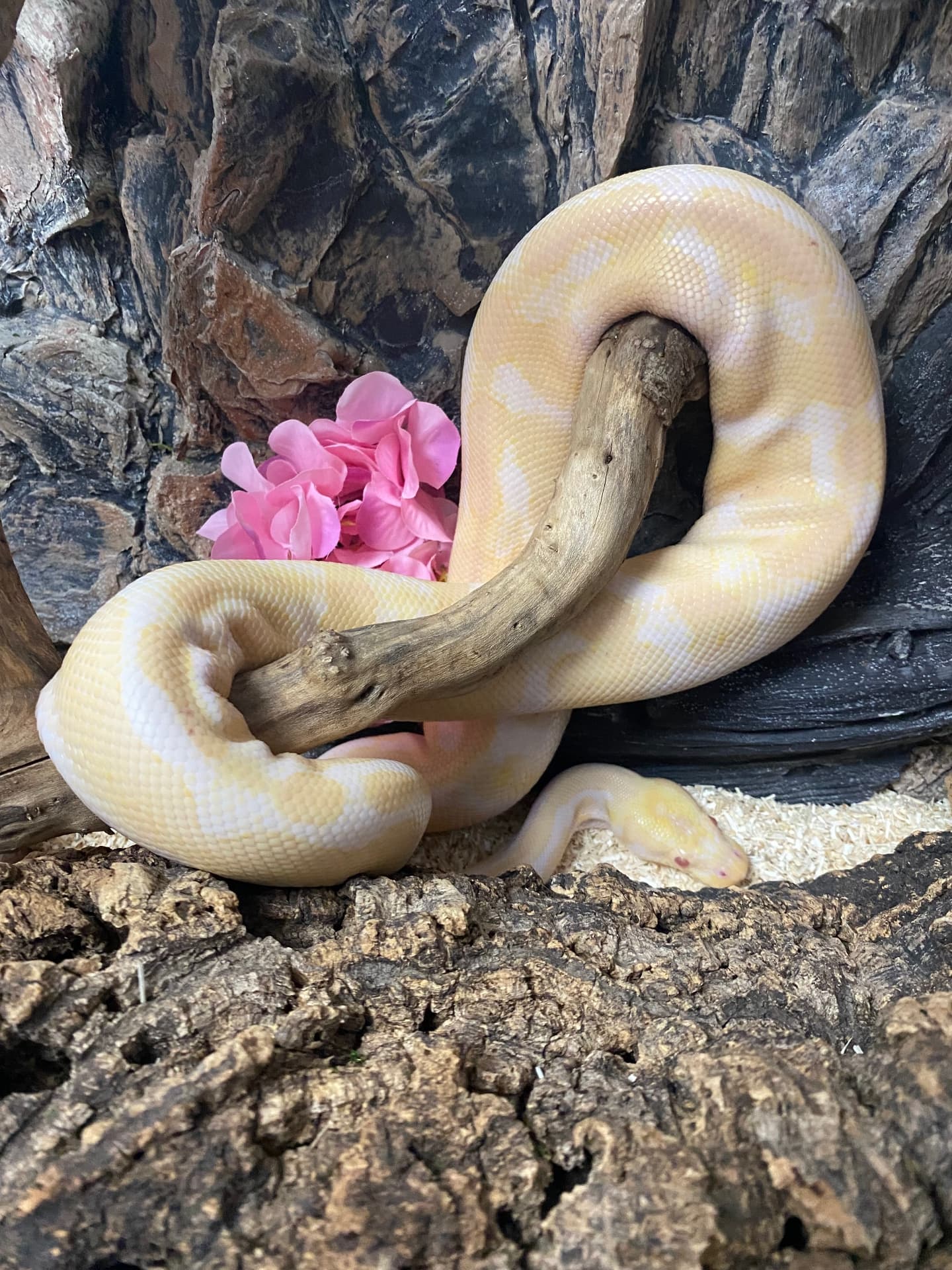
Pyton królewski Albino – wyjątkowe umaszczenie!
1200.00 PLN
Last piece!MaleAlbino 100% Hetmagdalenajarasz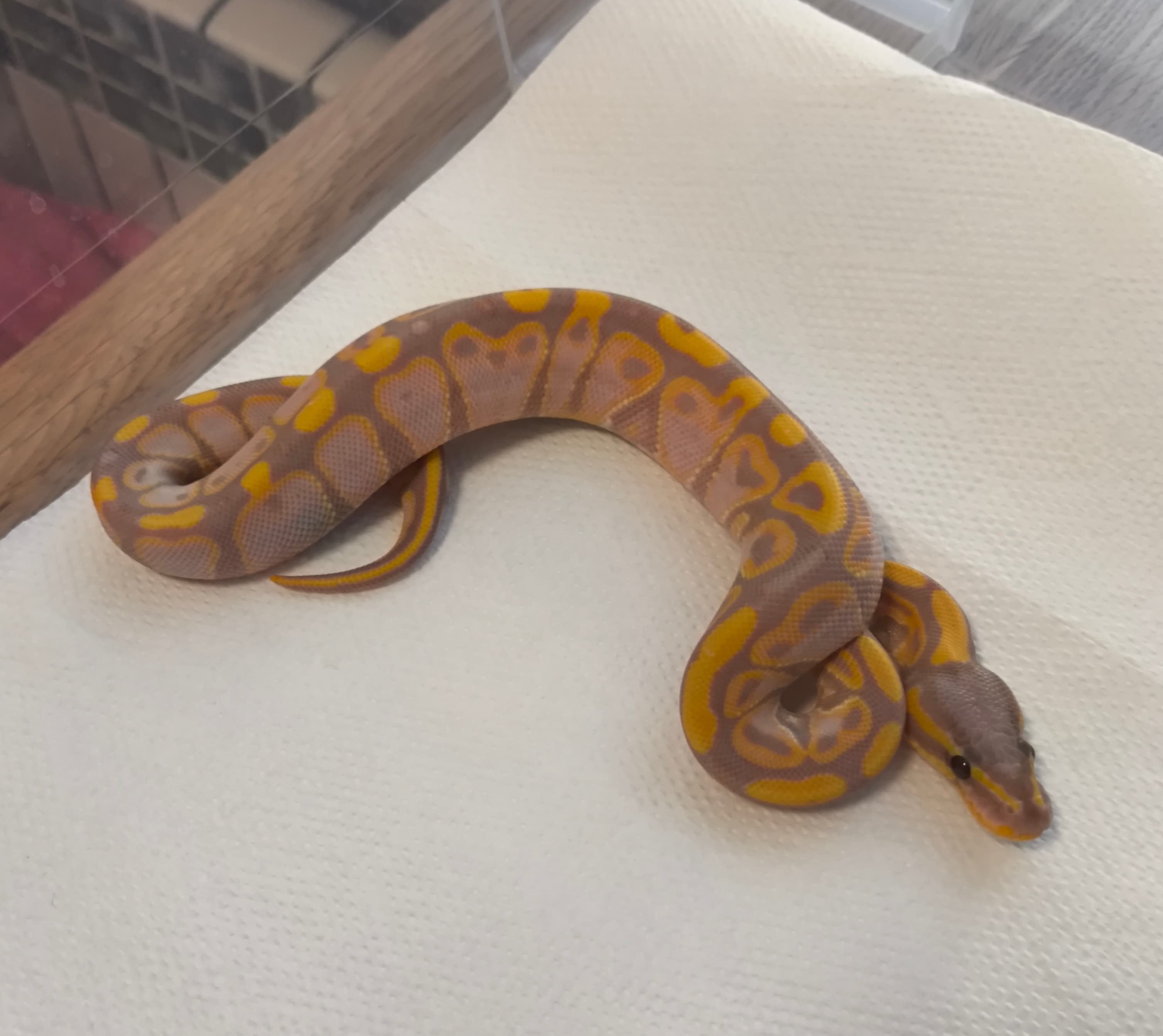 TRUSTED
Ball Python
700.00 PLN
Last piece!Male40 cmBananalakomy87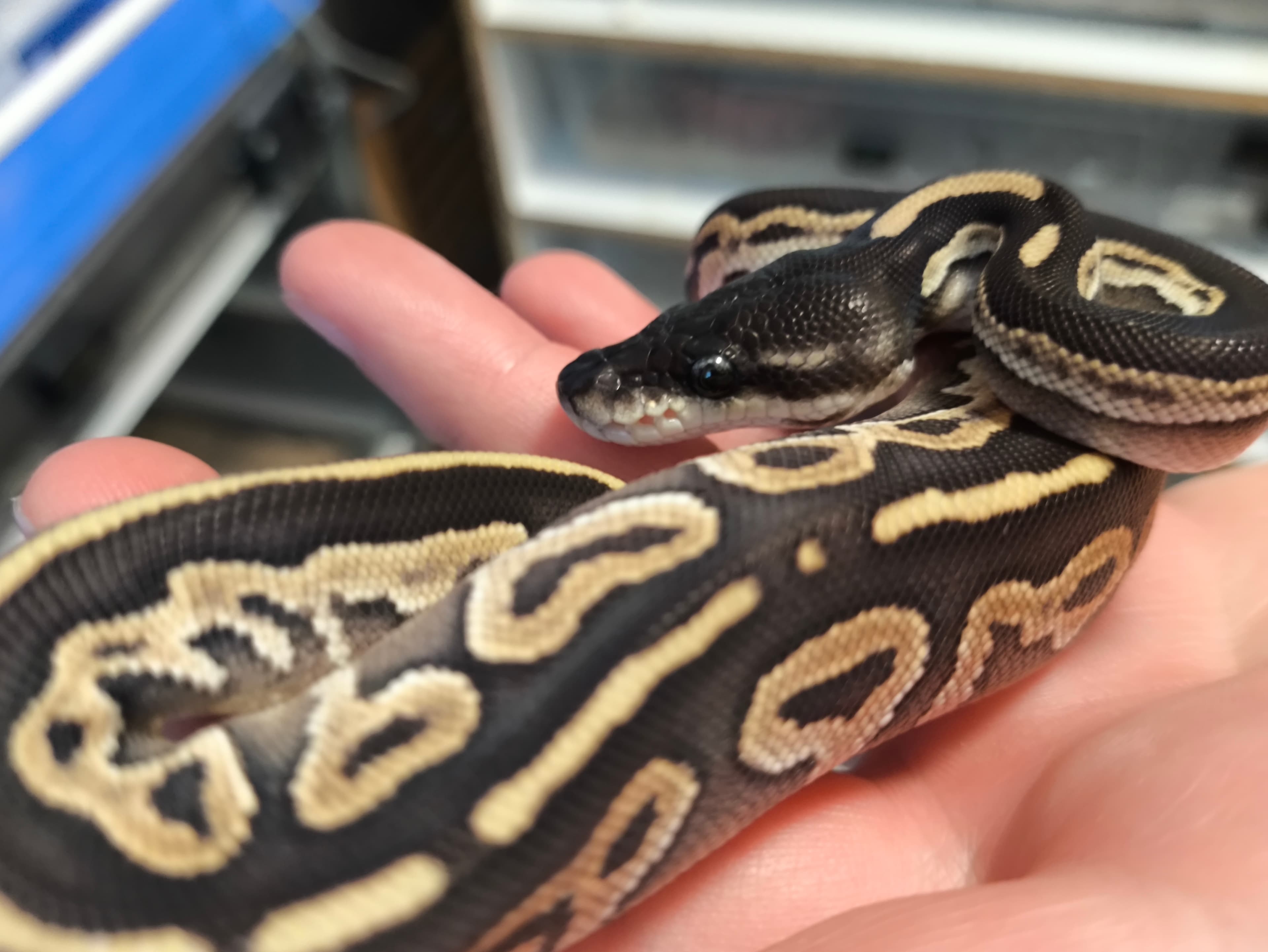 TRUSTED
Ball Python
500.00 PLN
Last piece!Female30 cmCinnamonlakomy87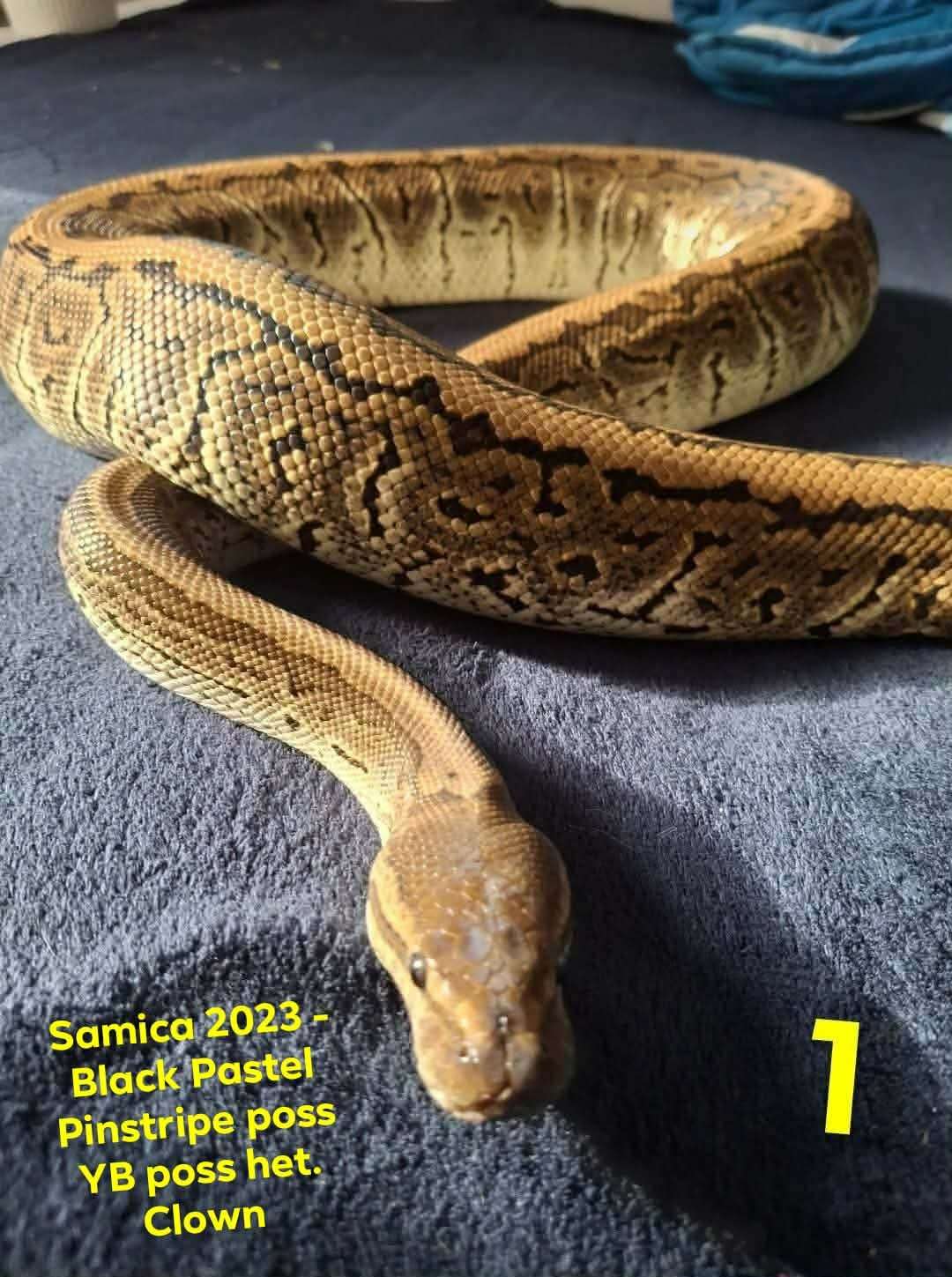 TRUSTED
Royal pythons with beautiful color patterns
600.00 PLN
Available: 7 pcs.PairLeopardmisia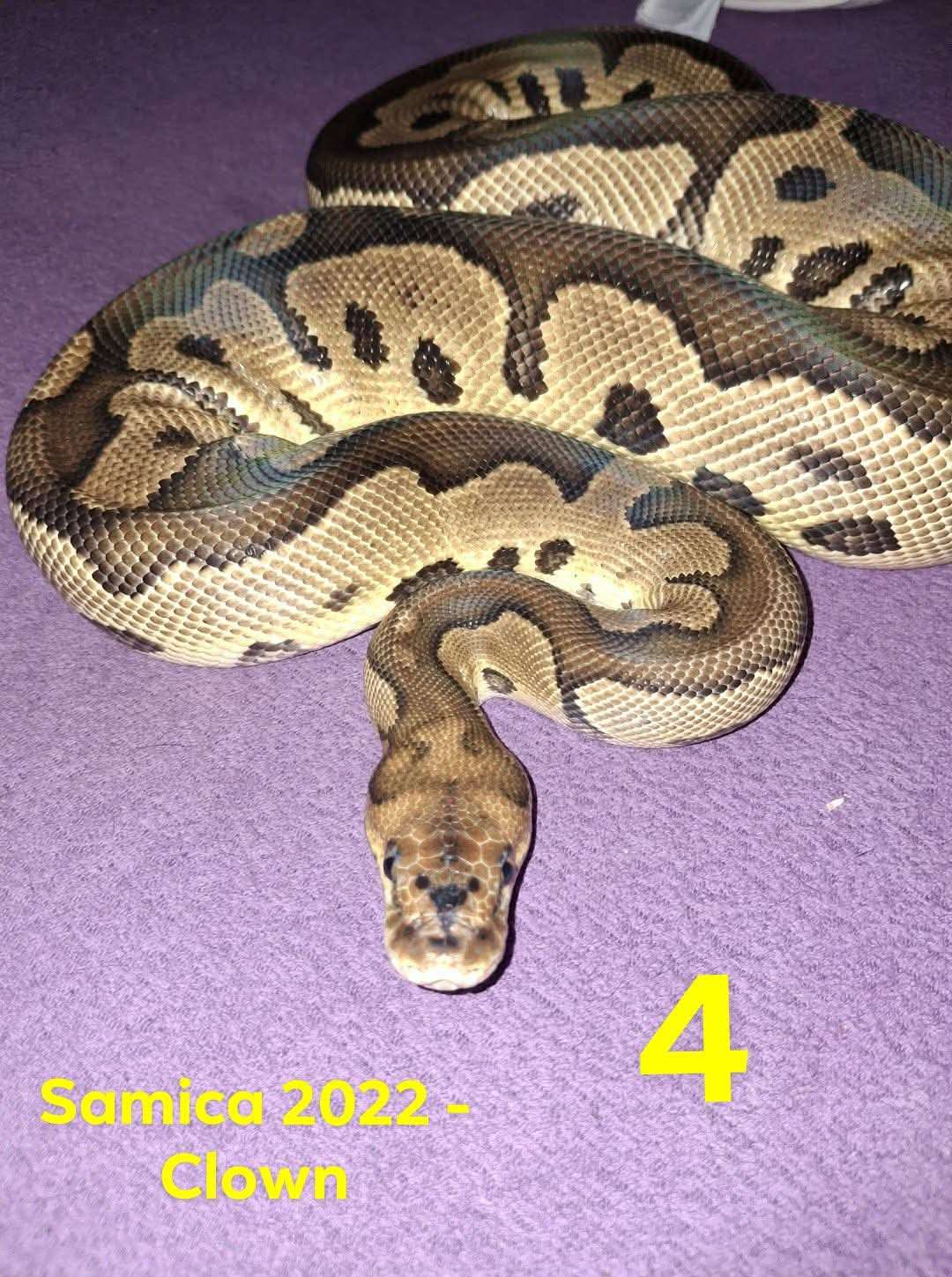 TRUSTED
Female Royal Python "Clown"
1200.00 PLN
Last piece!FemaleClownmisia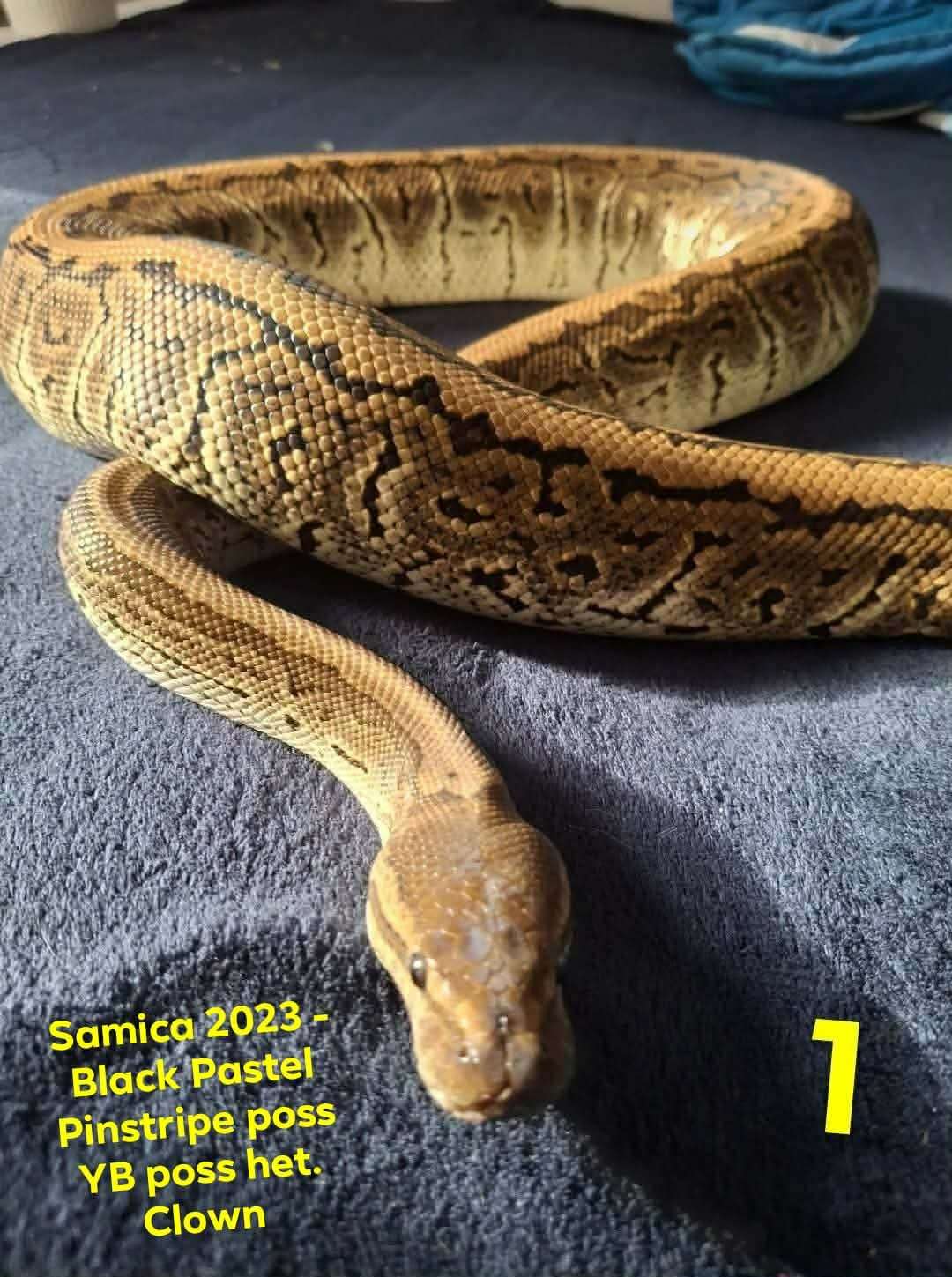 TRUSTED
A beautiful female ball python
1500.00 PLN
Last piece!FemaleBlack Pastelmisia
Tools for this species
Care at a glance
Size
Adults usually approx. 120–150 cm in length
Enclosure type
Horizontal, allowing the body to stretch fully and a clear temperature gradient to be created
Temperature
Basking area approx. 30–32°C; cooler side approx. 24–26°C
Humidity
Usually approx. 50–60%, periodically higher during shedding
Furnishings
At least two snug-fitting hides, stable branches, a water dish, and elements that provide cover
Characteristics
A calm, mainly crepuscular snake of massive build, available in a large number of colour morphs
Care and behaviour
The ball python needs an enclosure that allows the body to stretch freely and a choice between a warmer and a cooler zone. Well-fitted hides should be provided in both parts of the enclosure, so the snake can regulate temperature without giving up a sense of security. Furnishings should be stable, because adult animals are relatively heavy.
The heat source should be controlled by a thermostat, and temperatures should be checked with independent thermometers. Humidity should allow proper shedding, but the enclosure must not remain constantly wet and stuffy. An additional humid hide that the snake can use as needed is also useful.
Ball pythons are most active in the evening and at night. During the day they often stay in hides, and under stress they may coil the body tightly instead of fleeing. The species is well suited to observation, provided an adequate number of hides, stable conditions, and calm handling are given.
Good to know
Python regius is a non-venomous species and subdues prey by constriction. It is also covered by CITES regulations, so when purchasing one should pay attention to the legal origin of the animal and the required documents. When in contact with the snake it is worth avoiding sudden movements, and after contact with the animal, furnishings, or substrate the hands should always be washed thoroughly.