Brachypelma auratum
Mexican Flameknee
6 active listings · Spiders
Category
Spiders
Origin
Mexico (Guerrero and Michoacán)
Lifestyle
Terrestrial
Difficulty
Beginner
Venom potency
Weak
About the species
Mexican Flameknee (Brachypelma auratum) is a terrestrial tarantula endemic to Mexico. The World Spider Catalog accepts the species and gives the distribution as Mexico; the literature associates it with inland Guerrero and Michoacán, inland of the coastal Brachypelma hamorii and Brachypelma smithi. Adult females usually reach about 5–6 cm in body length and about 14–16 cm in leg span. Flame-like orange-red fields on the patellae against a darker body give the English name. It was long confused with the “redknee” Brachypelma complex, but has been a separate accepted taxon since 1992.
Origin and distribution
Mexico (Guerrero and Michoacán)
The species is endemic to Guerrero and Michoacán (Mexico).
Current listings
 TRUSTED
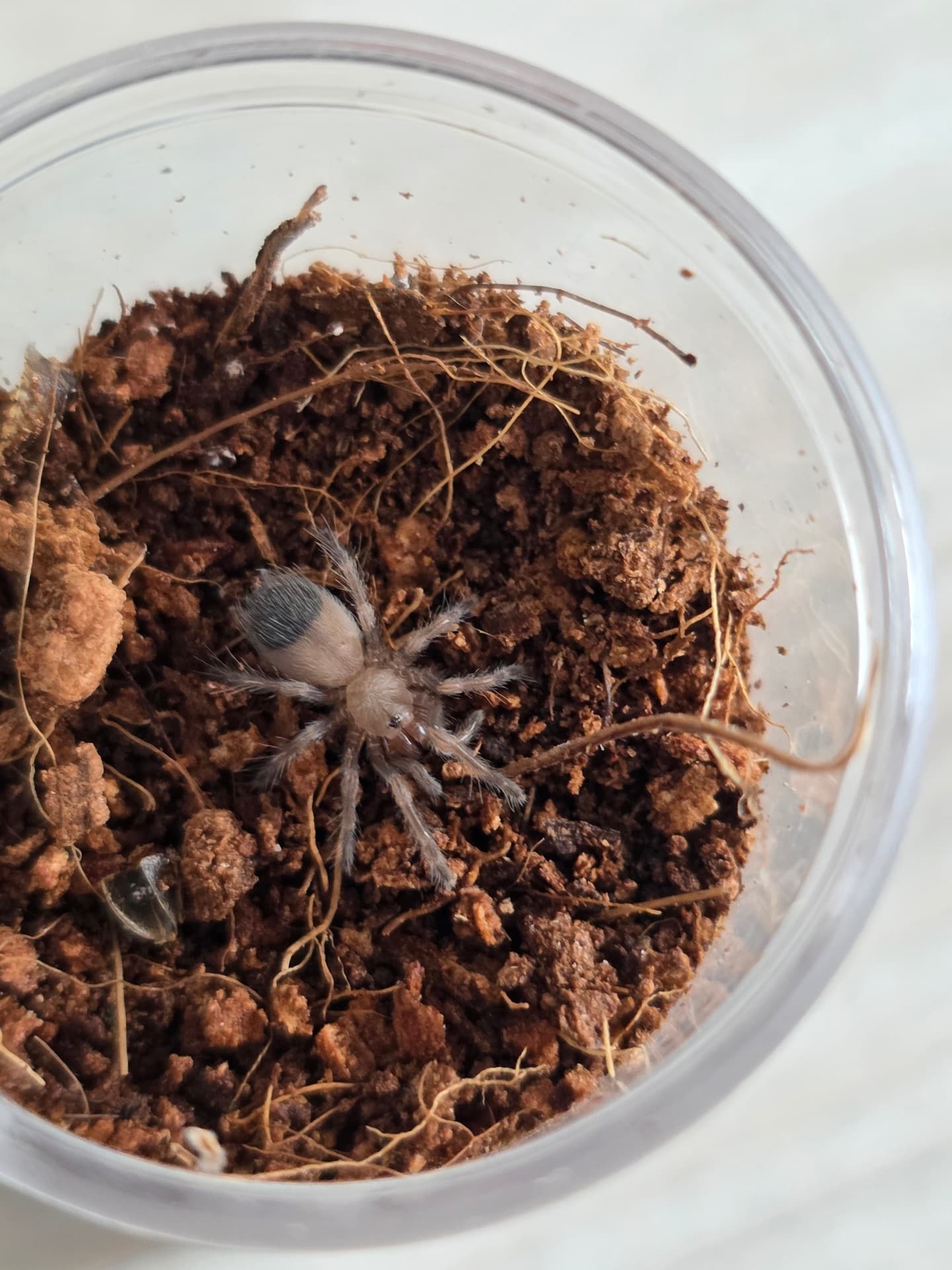
Brachypelma auratum L2
60.00 PLN
Available: 10 pcs.Unsexed1 cmL2matek498765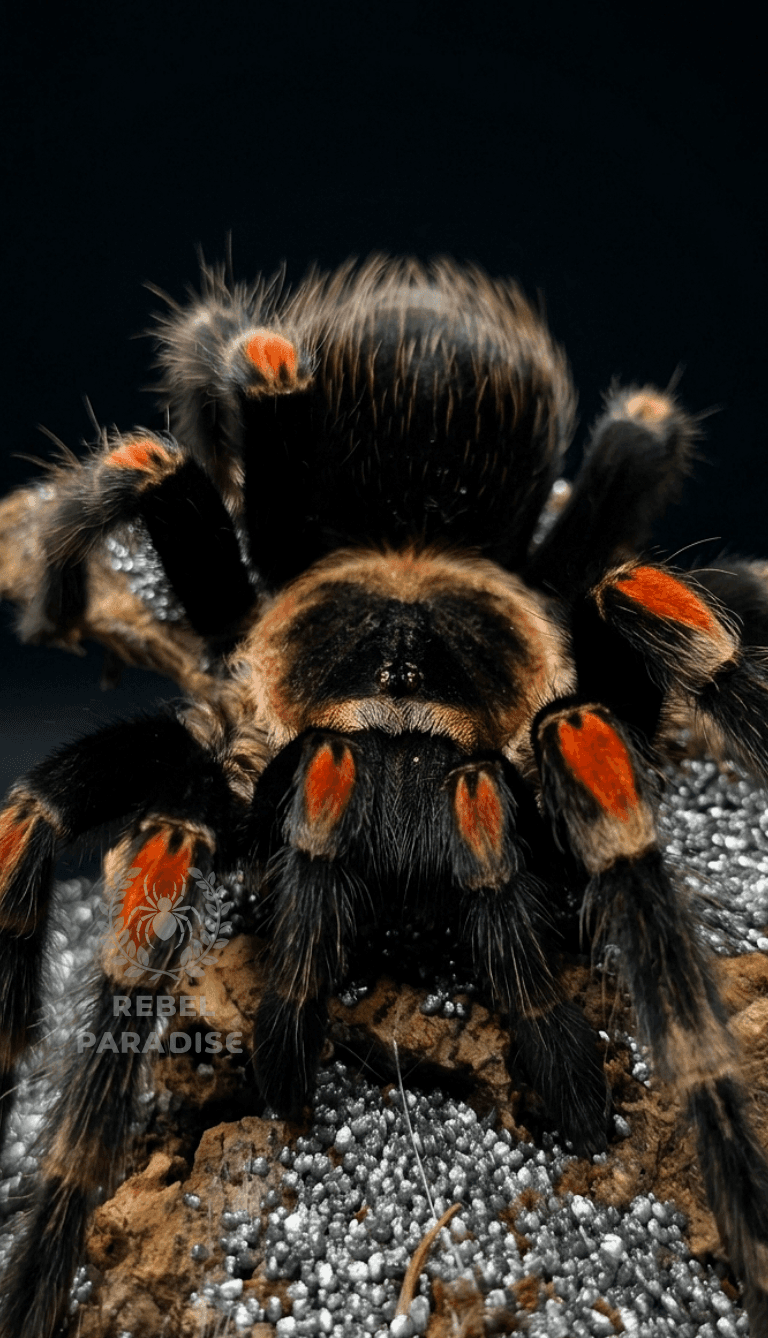 TRUSTED
Brachypelma auratum Female Tarantula 3DC
250.00 PLN
Available: 4 pcs.FemaleRebel Paradise TRUSTED
Brachypelma auratum L5
100.00 PLN
Available: 5 pcs.Unsexed1 cmL5SpiderHouse TRUSTED
Brachypelma auratum Female + Male (5 cm)
400.00 PLN
Last piece!5 cmspidersworld.eu TRUSTED
Brachypelma auratum (1cm)
90.00 PLN
Available: 10 pcs.Unsexed1 cmspidersworld.eu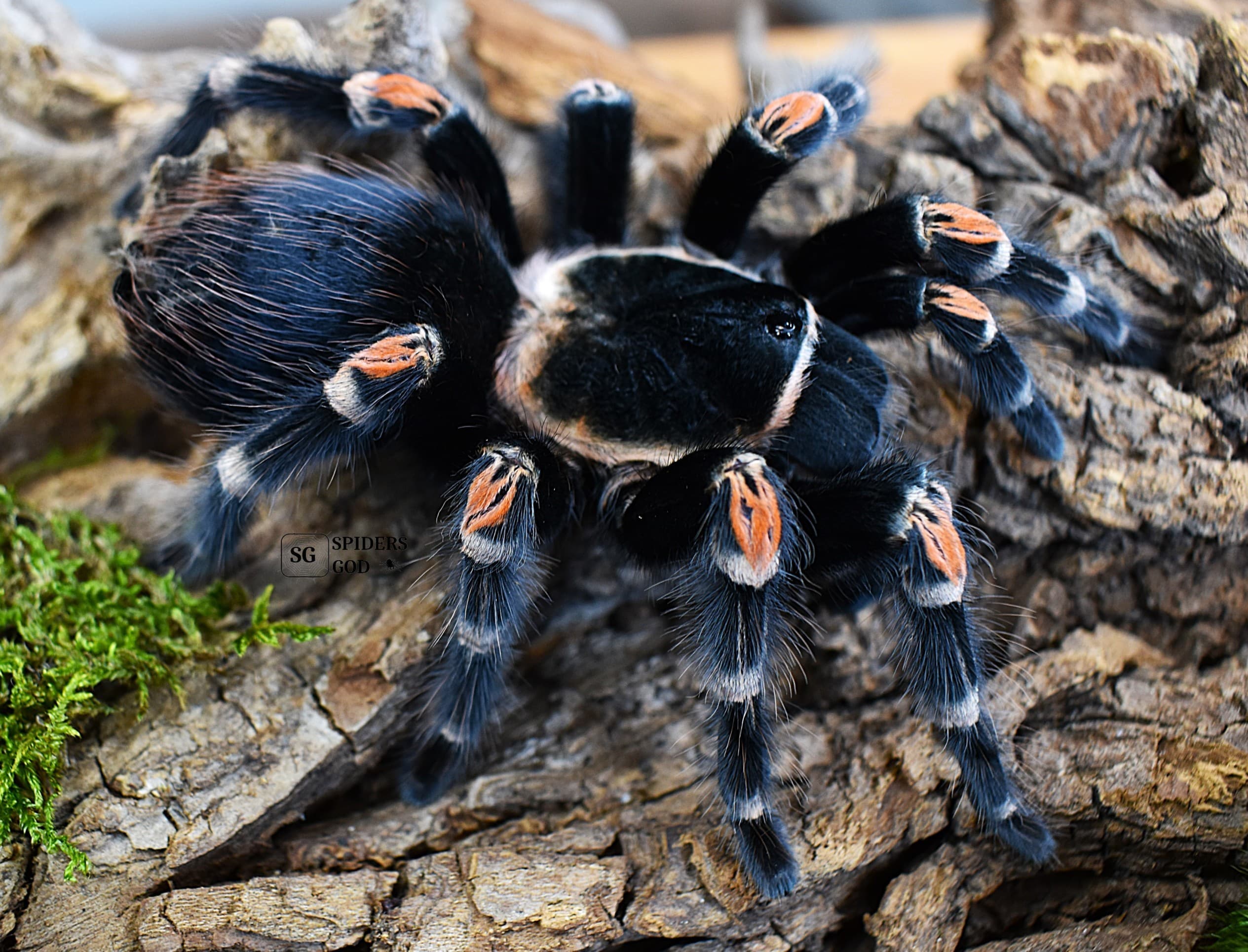 TRUSTED
Brachypelma auratum L3
80.00 PLN
Available: 9 pcs.UnsexedL3spidersgodeu
Care at a glance
Size
Females approx. 5–6 cm body length; leg span approx. 14–16 cm
Enclosure type
Horizontal, for a terrestrial species with the option to dig
Substrate
A stable, thicker layer; the surface rather dry
Furnishings
A hide and constant access to fresh water
Conditions
Rather dry to moderate; good ventilation, without constantly wet substrate
Characteristics
Slower growth, long-lived females, urticating hairs; an observation species
Care and behaviour
Brachypelma auratum is terrestrial. Floor area matters more than height. Provide a stable substrate layer in which the spider can deepen a retreat, a prepared hide, and constant access to fresh water. An enclosure that is too tall increases the risk of injury from a fall.
In nature the species occupies dry and seasonally dry inland Mexican habitats, so most of the substrate surface may remain rather dry. A small part of the lower layers may be slightly more humid, but constantly wet, stuffy conditions are not appropriate. A moisture gradient with clear ventilation is better than a single rigid humidity percentage.
Growth is relatively slow, and adult females may live for many years. Individuals are often calmer than Old World arboreal tarantulas, but that does not make the species a universal first tarantula: particular animals may react nervously, and keeping it requires patience. It is best treated as an animal for observation.
Good to know
Brachypelma auratum has urticating hairs that it may use when threatened. Contact can irritate the skin, eyes, and mucous membranes. The genus Brachypelma, including this species, is listed on CITES Appendix II; cross-border trade may require documents, and obligations vary by jurisdiction and transaction type. This page is not legal advice. IUCN assesses the species as Vulnerable. When buying, prefer legally sourced, documented captive-bred animals.