Augacephalus ezendami
9 active listings · Spiders
Category
Spiders
Origin
Mozambique
Lifestyle
Terrestrial / Fossorial
Difficulty
Advanced
Venom potency
Strong
About the species
Augacephalus ezendami is an African tarantula occurring naturally in Mozambique. It leads a mainly terrestrial–fossorial lifestyle and readily uses deep burrows, in which it spends a substantial part of its time. Adult females reach about 4.5–5 cm in body length, and the leg span may be about 13–15 cm. The species is distinguished by a golden carapace and legs that contrast with the darker colouration of the remaining body parts.
Origin and distribution
Mozambique
The species is endemic to Mozambique.
Current listings
 TRUSTED
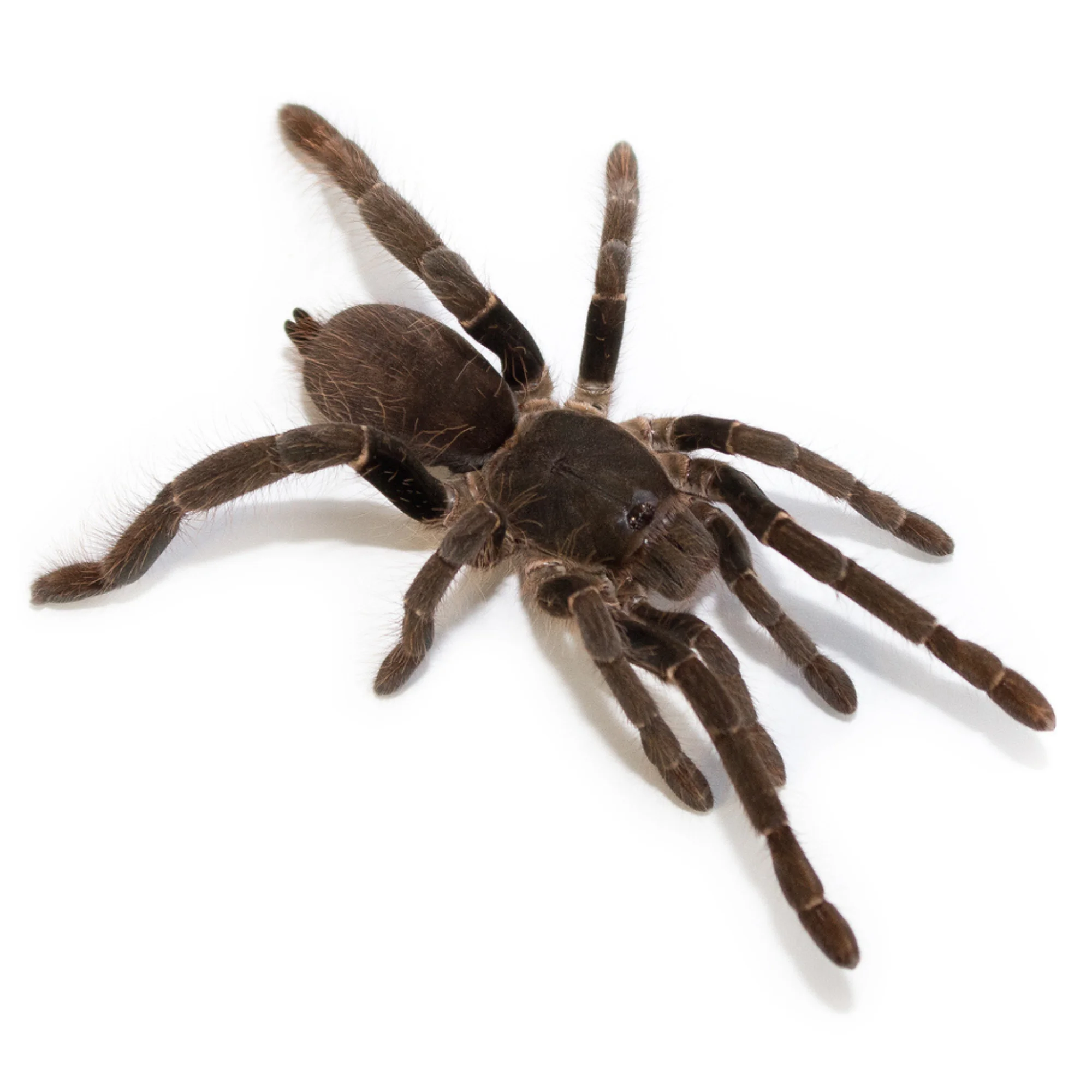
Hysterocrates gigas SAMICA 4-4.5DC
100.00 PLN
Available: 2 pcs.Female4-4,5DC cmreptilesbrothers.pl- TRUSTED
Hysterocrates gigas L4/5
24.00 PLN
Available: 10 pcs.UnsexedL4/5 cmreptilesbrothers.pl 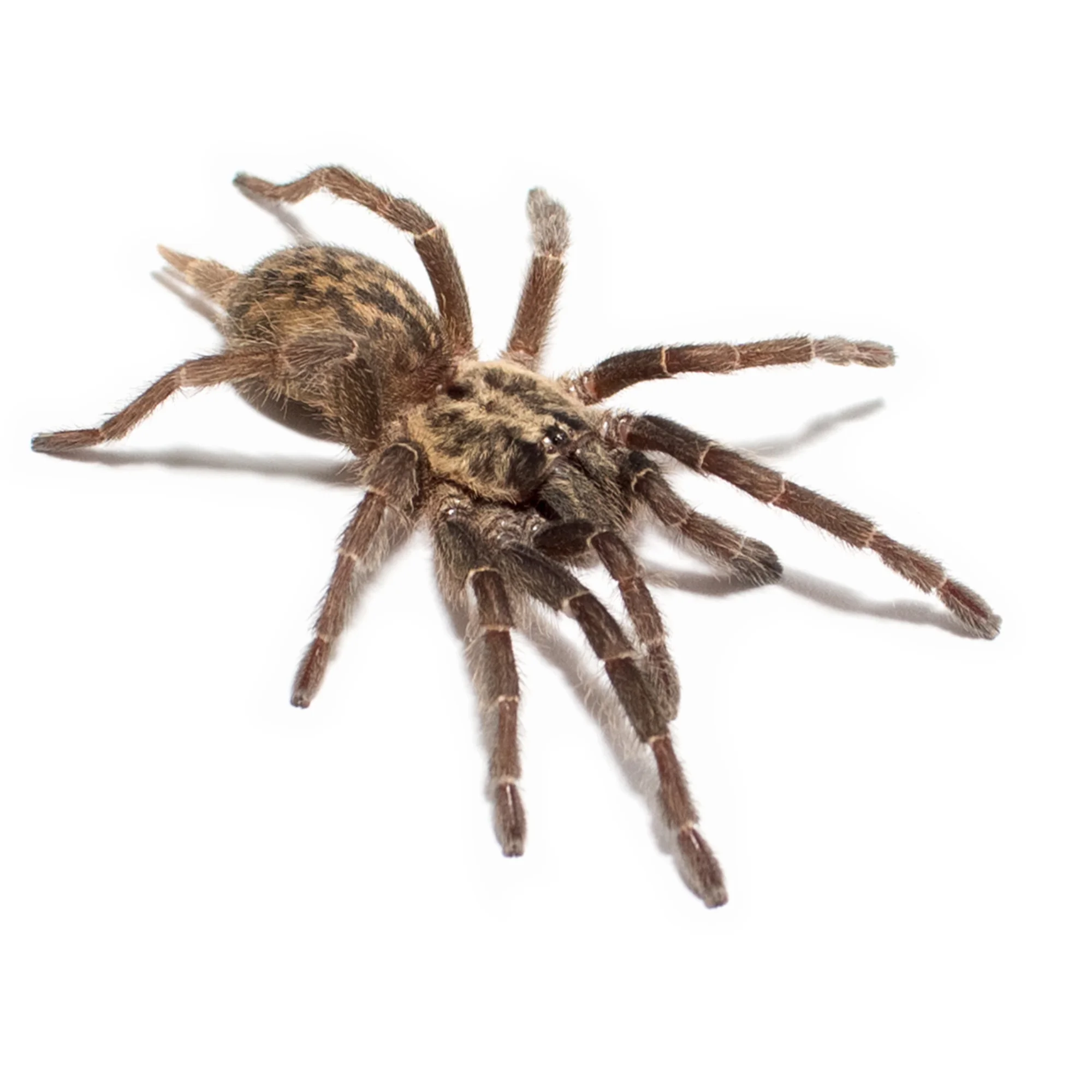 TRUSTED
Heterothele villosella L4
30.00 PLN
Available: 13 pcs.UnsexedL4reptilesbrothers.pl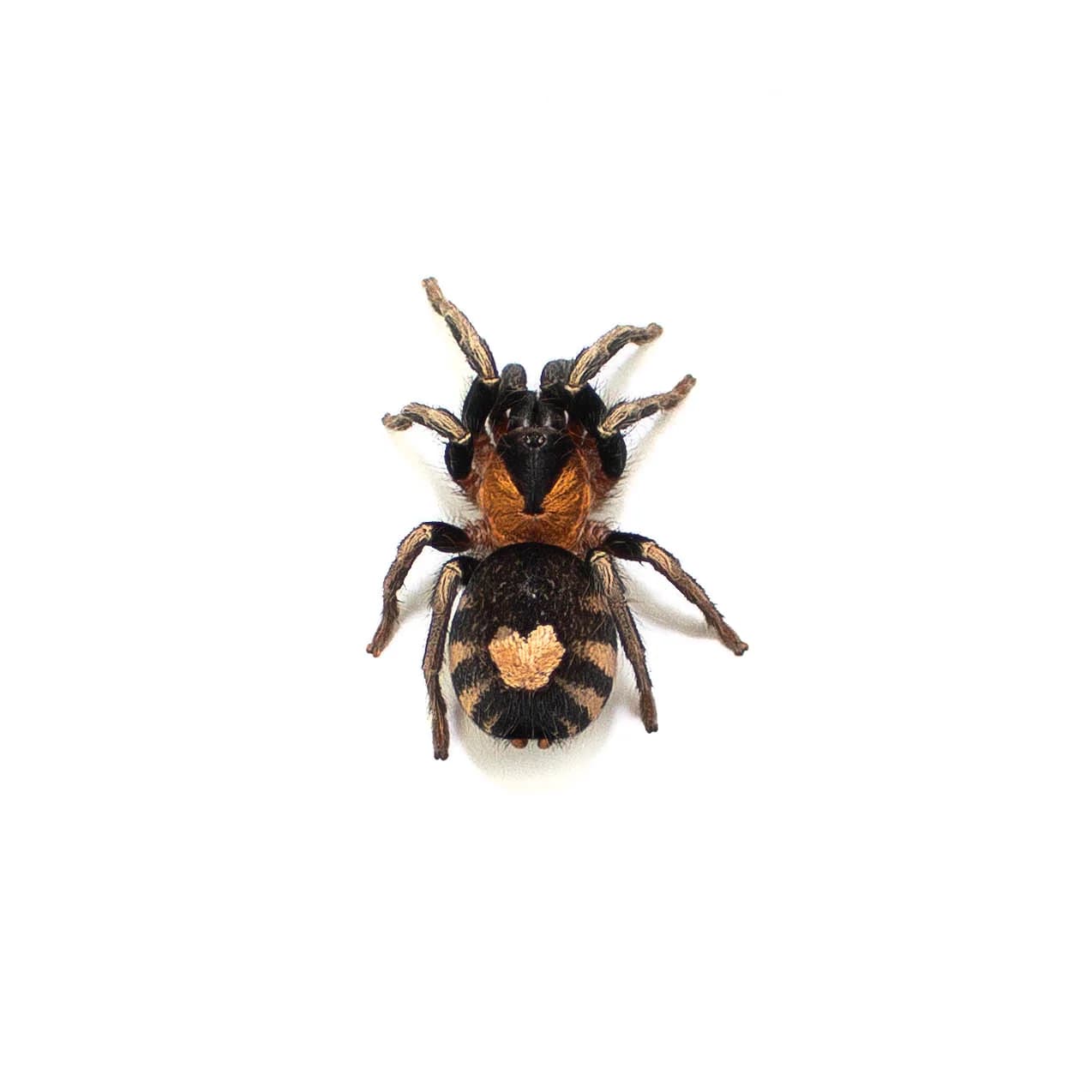 TRUSTED
Cyriocosmus elegans L3
25.00 PLN
Available: 6 pcs.UnsexedL3reptilesbrothers.pl TRUSTED
Chilobrachys sp. Kaeng Krachan L4/5
25.00 PLN
Available: 15 pcs.UnsexedL4/5 cmreptilesbrothers.pl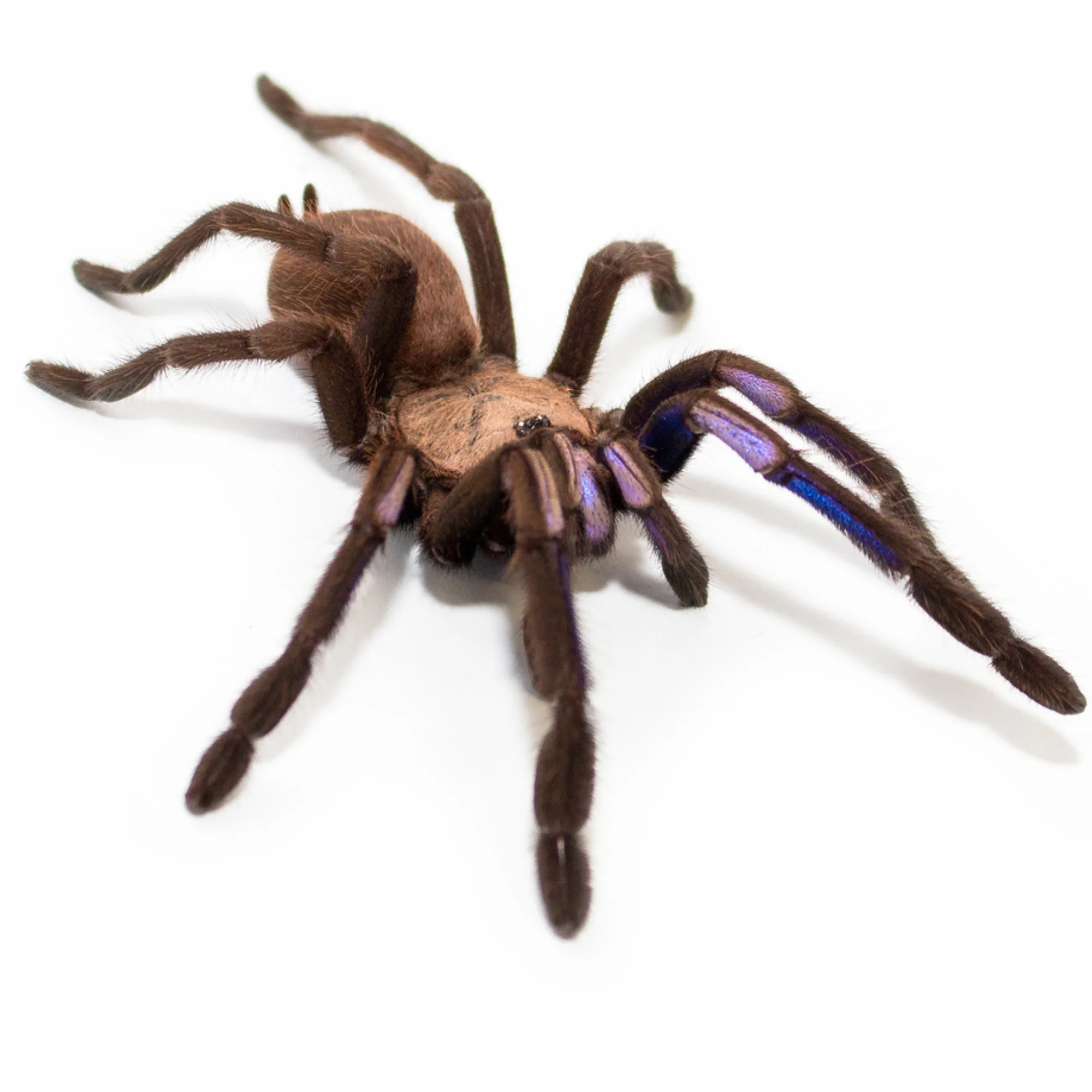 TRUSTED
Chilobrachys natanicharum SAME 2-2.5DC
50.00 PLN
Available: 4 pcs.Unsexed2-2,5DC cmreptilesbrothers.pl TRUSTED
Ceratogyrus darlingi L4
27.00 PLN
Available: 7 pcs.UnsexedL4reptilesbrothers.pl- TRUSTED
Ceratogyrus darlingi L3
22.00 PLN
Last piece!UnsexedL3reptilesbrothers.pl  TRUSTED
Augacephalus ezendami
50.00 PLN
Last piece!UnsexedL3reptilesbrothers.pl
Care at a glance
Size
Females approx. 4.5–5 cm body length; leg span approx. 13–15 cm
Enclosure type
Terrestrial, with ample space for digging
Substrate
A deep, stable substrate layer that allows burrow construction
Furnishings
A hide or the start of a burrow, and constant access to fresh water
Conditions
Rather dry to moderate; good ventilation and no constantly wet substrate
Characteristics
A fossorial, secretive, and fast species, intended for more experienced keepers
Care and behaviour
Augacephalus ezendami is a species strongly tied to the substrate and readily creates deep burrows. The most important feature of the enclosure is therefore a sufficiently thick and stable substrate layer that allows the spider to dig and build a secure retreat. Preparing an initial hide that the animal can expand further is also a good solution.
The species comes from Mozambique and is adapted to relatively dry conditions. The substrate should not remain constantly wet, and the enclosure should have good ventilation. An adult should be given constant access to fresh water. In practice it is worth observing the spider’s behaviour and the state of the substrate rather than keeping the enclosure to a single rigid humidity value.
Augacephalus ezendami is active mainly after dusk and may spend a large part of its time in the burrow. Near the entrance it often reacts very quickly to potential food. It is a secretive, fast species capable of decisive defensive behaviour, so it is best kept primarily with observation in mind.
Good to know
Augacephalus ezendami belongs to the African tarantulas and does not have the urticating hairs typical of many New World species. When threatened it may rely on speed and defensive behaviour. When working in the enclosure, particular caution is required: avoid direct contact and always allow for the possibility of a sudden reaction from the spider.