Monocentropus balfouri
Socotra Island Blue Baboon
8 active listings · Spiders
Category
Spiders
Origin
Socotra (Yemen)
Lifestyle
Terrestrial / Fossorial
Difficulty
Intermediate
Venom potency
Strong
About the species
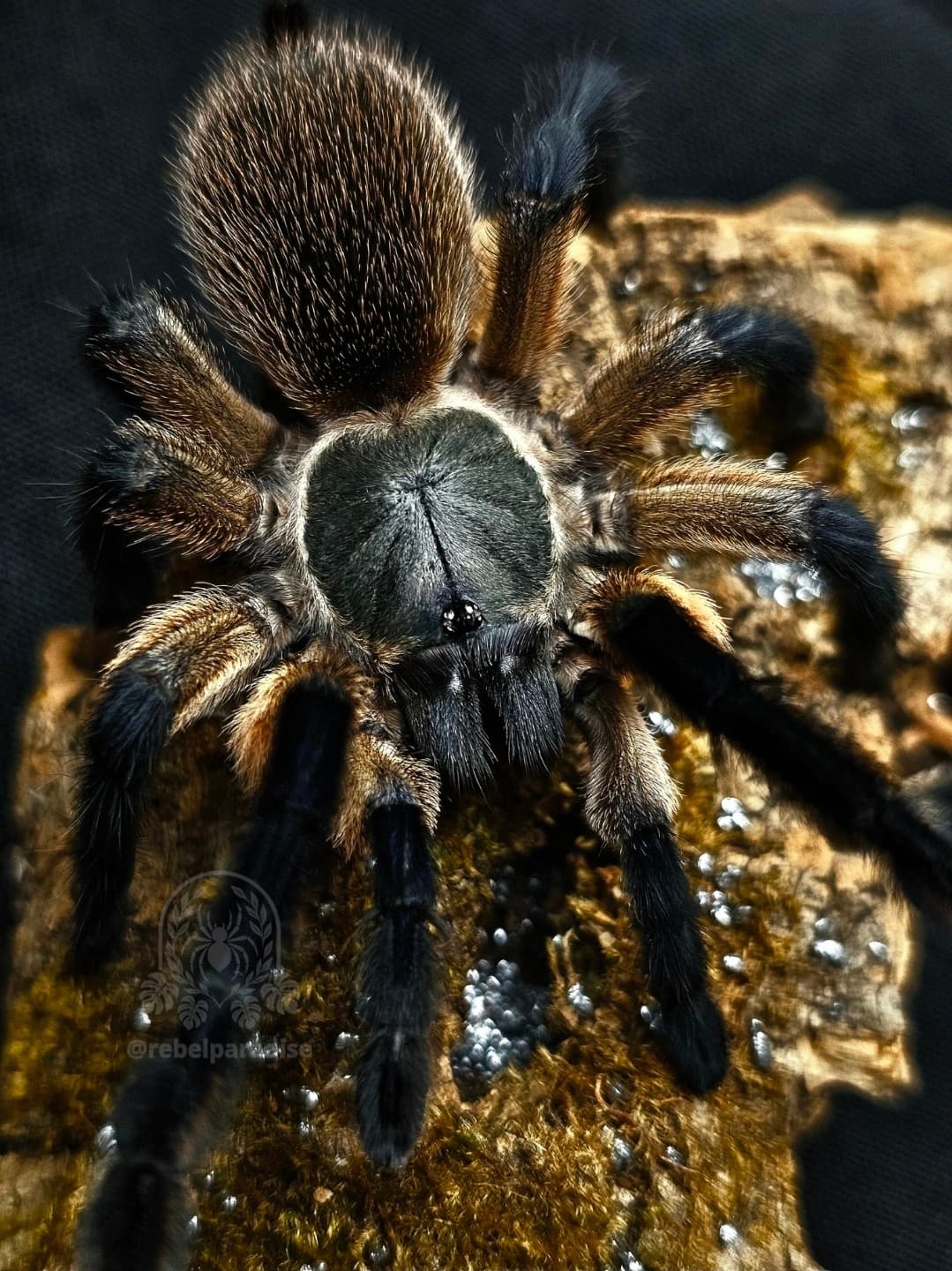
Socotra Island Blue Baboon (Monocentropus balfouri) is a tarantula endemic to the island of Socotra, which belongs to Yemen. It inhabits dry, rocky habitats and leads a terrestrial lifestyle with a strong tendency to use fissures, shallow burrows, and extensive webbing. Adults reach about 7 cm in body length, and the leg span may reach about 18 cm. The species is distinguished by contrasting colouration in which blue legs and carapace are set against a paler abdomen.
Origin and distribution
Socotra (Yemen)
The species is endemic to Socotra.
Current listings
 TRUSTED
Monocentropus balfouri L2 tarantula
30.00 PLN
Available: 5 pcs.UnsexedL2Rebel Paradise TRUSTED
Monocentropus balfouri Female (5.5cm)
170.00 PLN
Available: 3 pcs.Female5,5 cmspidersworld.eu TRUSTED
Monocentropus balfouri 4.5DC female
200.00 PLN
Last piece!Femalespidersgodeu TRUSTED
Monocentropus balfouri 4DC female
170.00 PLN
Available: 4 pcs.Femalespidersgodeu TRUSTED
Monocentropus balfouri L5
50.00 PLN
Available: 4 pcs.UnsexedL5spidersgodeu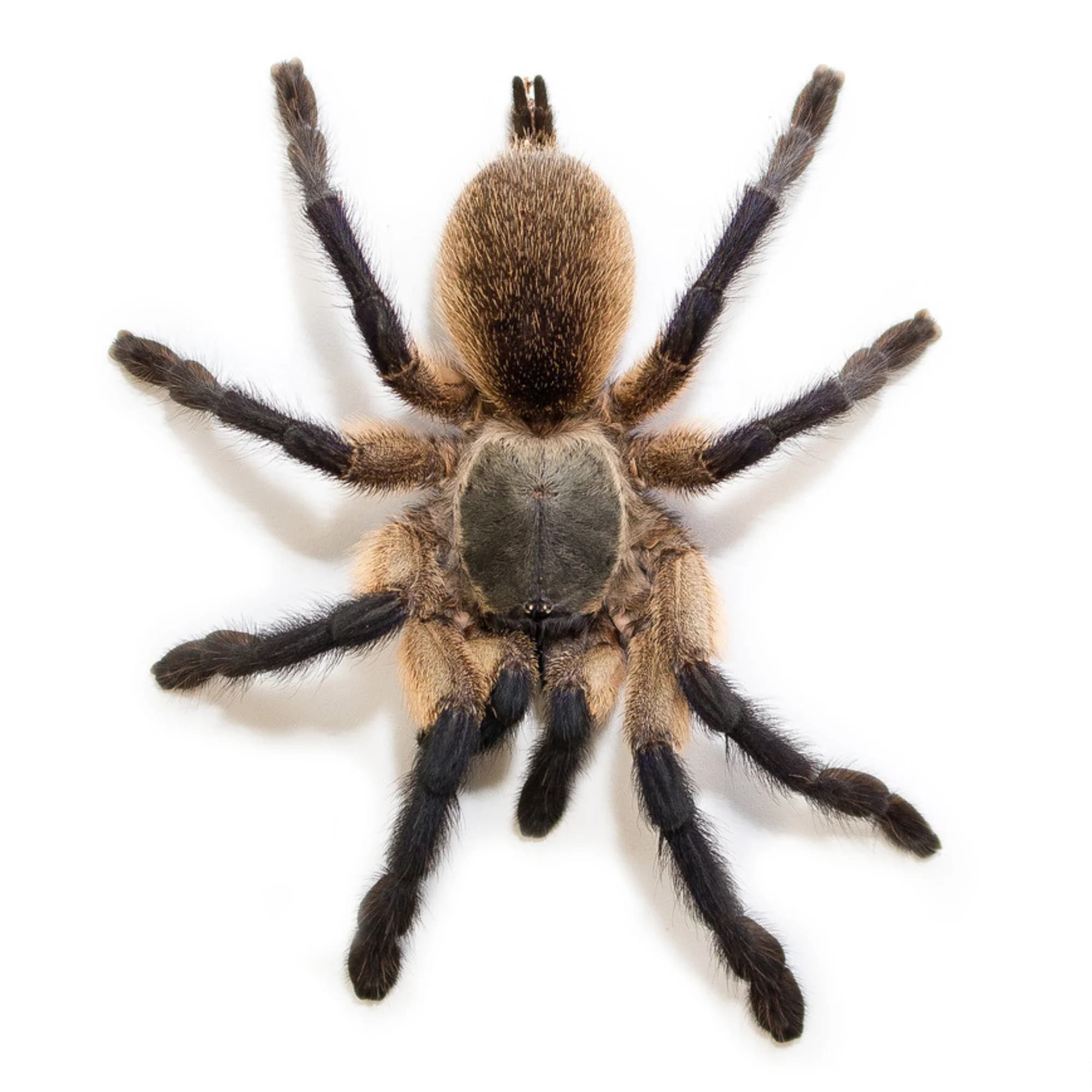 TRUSTED
Monocentropus balfouri SAMICA 2.5DC
120.00 PLN
Available: 6 pcs.Female2,5DC cmreptilesbrothers.pl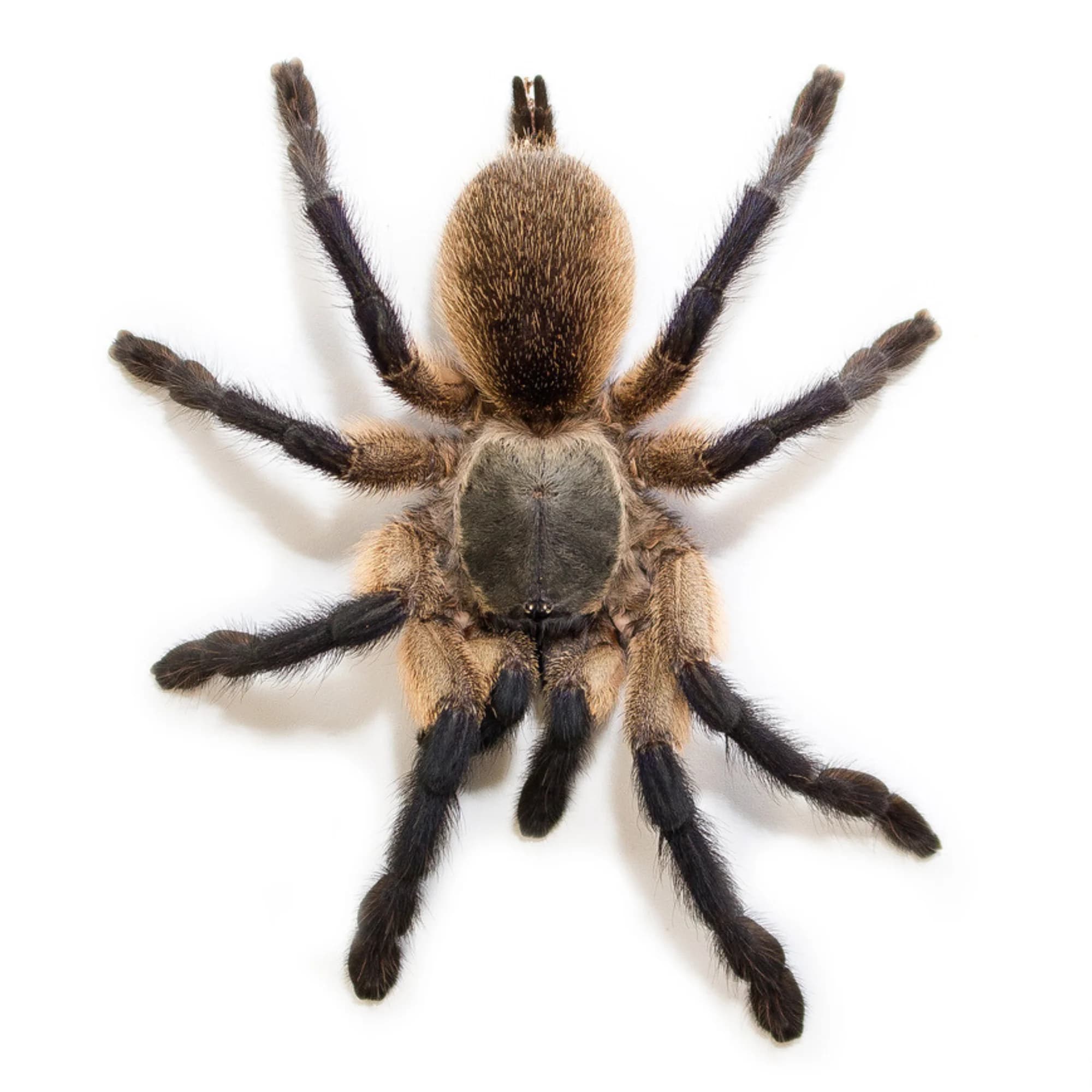 TRUSTED
Monocentropus balfouri L5
65.00 PLN
Available: 5 pcs.UnsexedL5reptilesbrothers.pl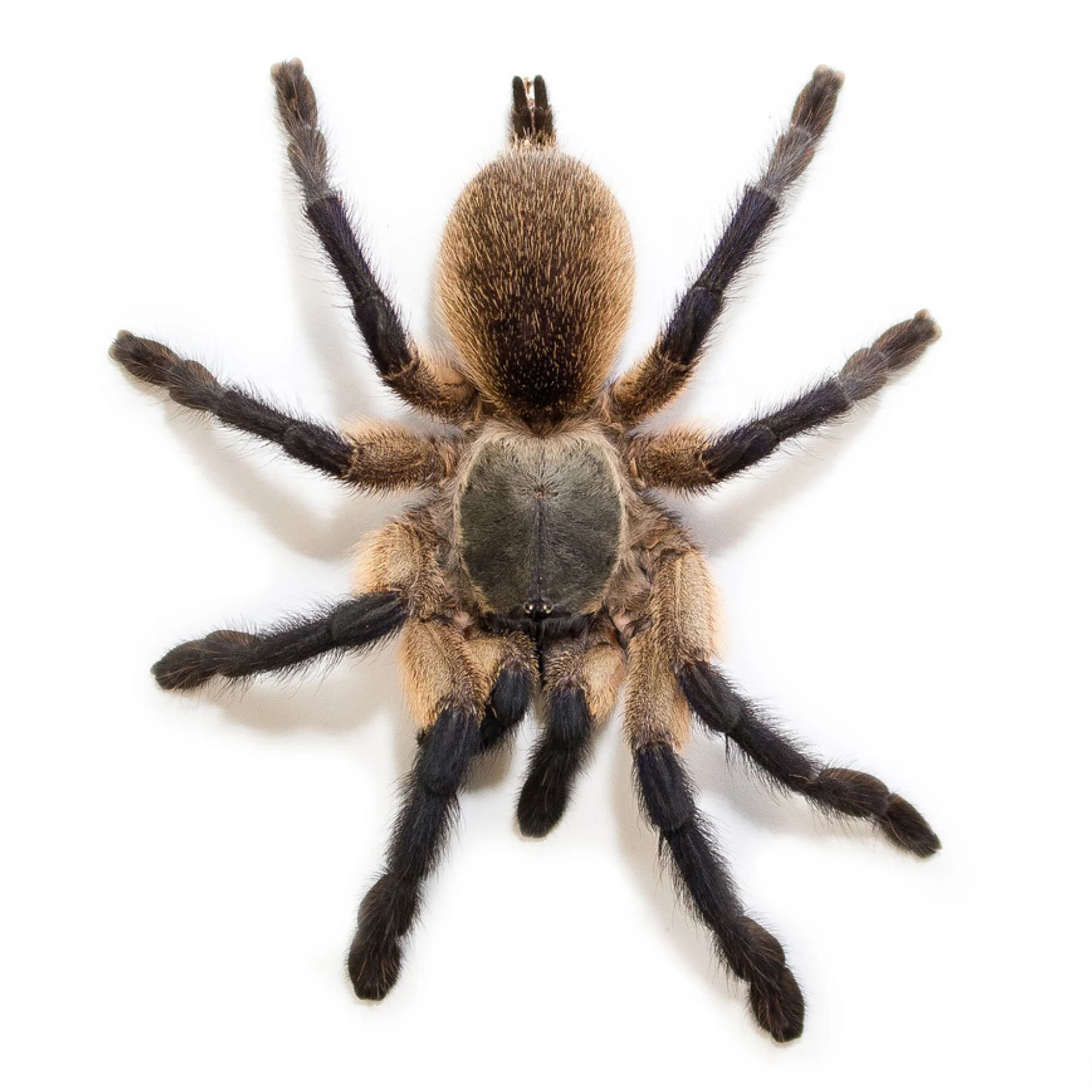 TRUSTED
Monocentropus balfouri L3
45.00 PLN
Available: 8 pcs.UnsexedL3reptilesbrothers.pl
Care at a glance
Size
About 7 cm body length; leg span up to approx. 18 cm
Enclosure type
Horizontal, with space for digging and building extensive webbing
Substrate
A thicker, stable layer; the surface rather dry, the lower parts may be slightly more humid
Furnishings
A hide, structures for anchoring webbing, and constant access to fresh water
Conditions
Rather dry to moderate, with very good ventilation
Characteristics
Extensive webbing, slower growth, great speed when startled, and unusual tolerance of conspecifics
Care and behaviour
Monocentropus balfouri readily reshapes its surroundings with silk, linking the hide, substrate, and furnishings into an extensive tunnel system. The enclosure should provide a thicker layer of stable substrate and several attachment points for webbing, while avoiding unnecessary enclosure height.
Because of the dry conditions on Socotra, adults do not require constantly damp substrate. The surface may remain mainly dry, with a small part of the lower layers slightly humid. More important than intensive spraying are good ventilation and constant access to fresh water.
Monocentropus balfouri is known for greater tolerance of conspecifics than most tarantulas. Communal keeping is practised in captivity, but it should not be regarded as risk-free. Communal housing requires sufficient space, experience, and constant observation, so keeping animals individually remains the simplest option.
Good to know
Monocentropus balfouri belongs to the Old World tarantulas and does not have urticating hairs. When startled it can move very quickly and, if threatened, use defensive behaviour. When working in the enclosure, direct contact should be avoided and the space always secured against the spider escaping.