Brachypelma klaasi
Mexican Pink
6 active listings · Spiders
Category
Spiders
Origin
Mexico (Jalisco, Nayarit and Colima)
Lifestyle
Terrestrial
Difficulty
Beginner
Venom potency
Weak
About the species
Mexican Pink (Brachypelma klaasi) is a terrestrial tarantula endemic to Mexico. The World Spider Catalog accepts the species and gives the distribution as Mexico; it was described as Brachypelmides klaasi and later placed in Brachypelma. The literature associates it with the Pacific slope, especially Jalisco. Adult females usually reach about 5–6 cm in body length and about 14–16 cm in leg span. The colour is pinker and brown-rose rather than the flame orange of Brachypelma auratum or hamorii. Although the genus is often thought of as calm, individuals can be more defensive than many popular Mexican congeners and should not be labelled a starter species.
Origin and distribution
Mexico (Jalisco, Nayarit and Colima)
The species is endemic to Jalisco, Nayarit and Colima (Mexico).
Current listings
 TRUSTED
Brachypelma klaasi tarantula, female, 2DC
200.00 PLN
Available: 4 pcs.Female2 cmRebel Paradise TRUSTED
Brachypelma klaasi tarantula, L3
60.00 PLN
Available: 19 pcs.UnsexedL3Rebel Paradise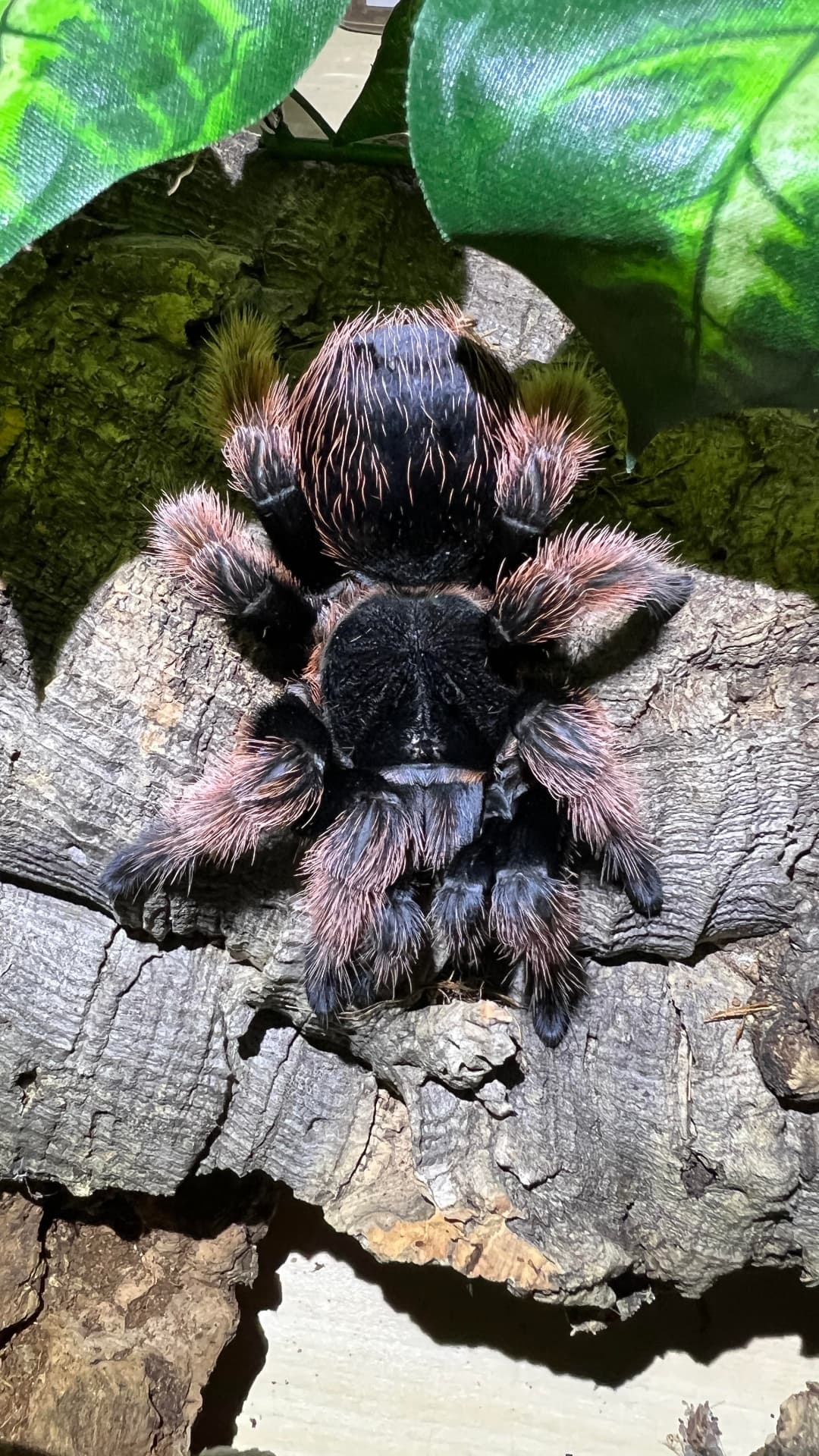 TRUSTED
Brachypelma klaasi l1 - pack of 5
350.00 PLN
Available: 2 pcs.Unsexed1 cml4Adrian Ra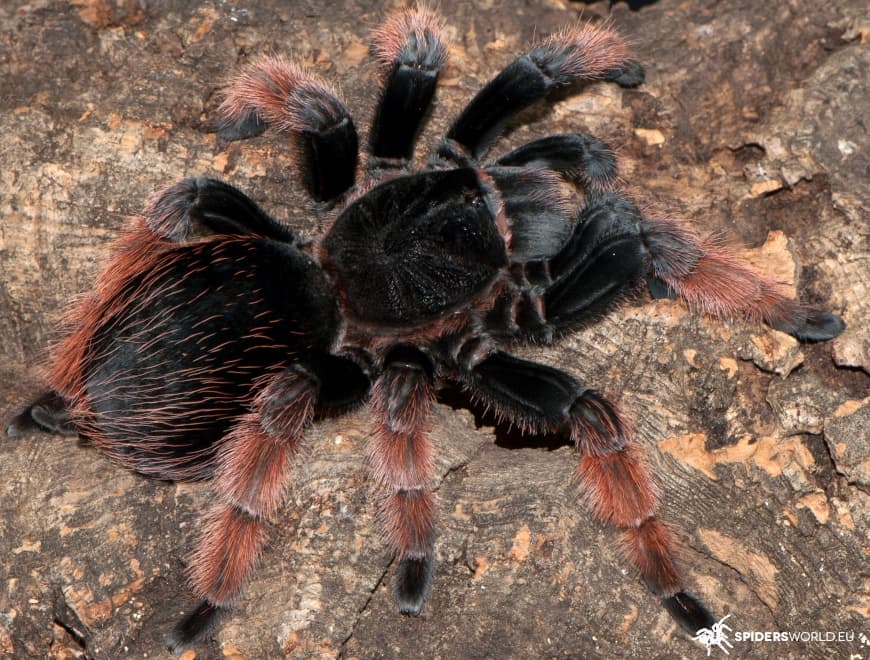 TRUSTED
Brachypelma klaasi (1.5cm) - Mexican Pink
70.00 PLN
Available: 10 pcs.Unsexed1,5 cmspidersworld.eu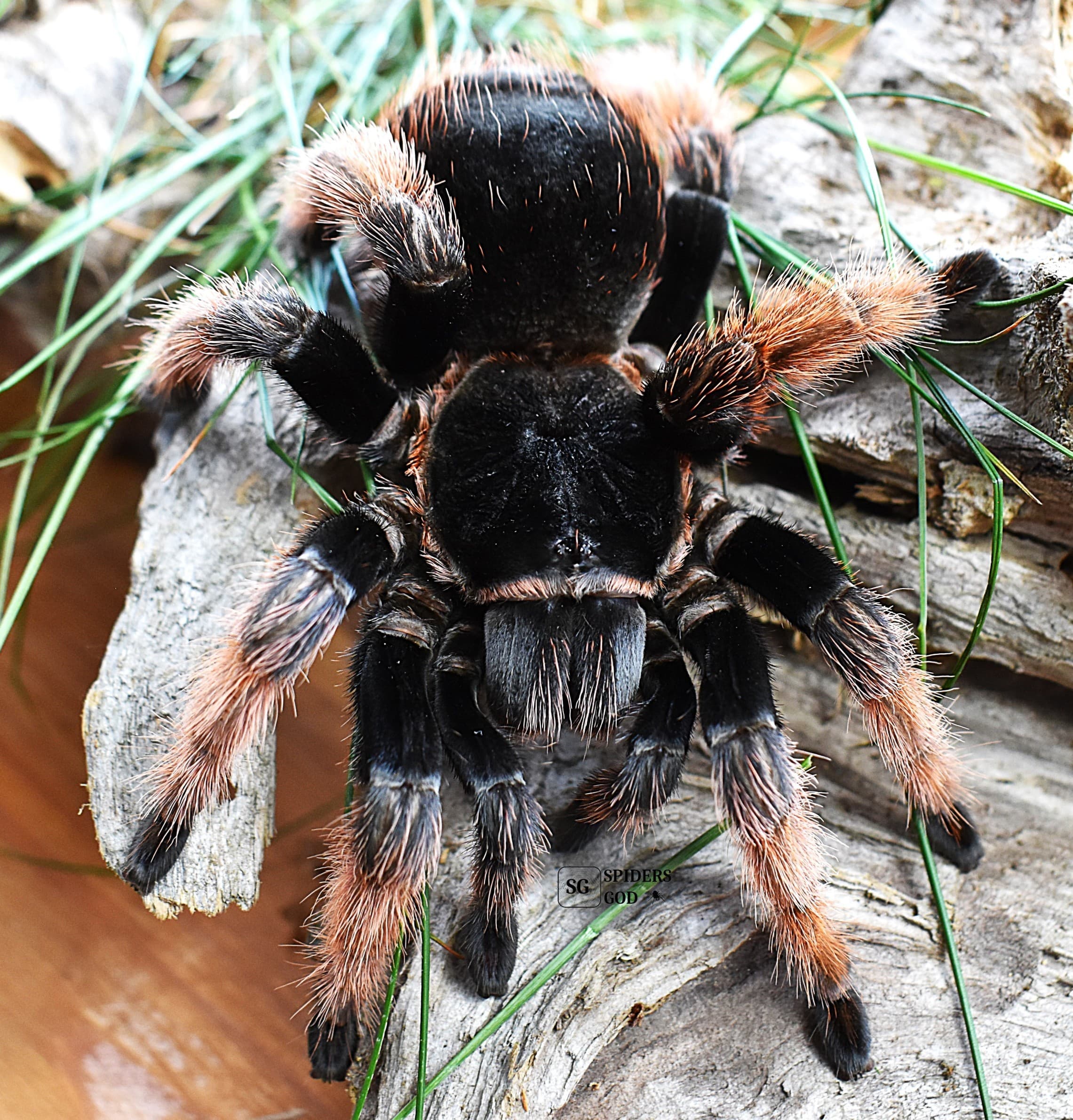 TRUSTED
Brachypelma klaasi L3
70.00 PLN
Available: 9 pcs.UnsexedL3spidersgodeu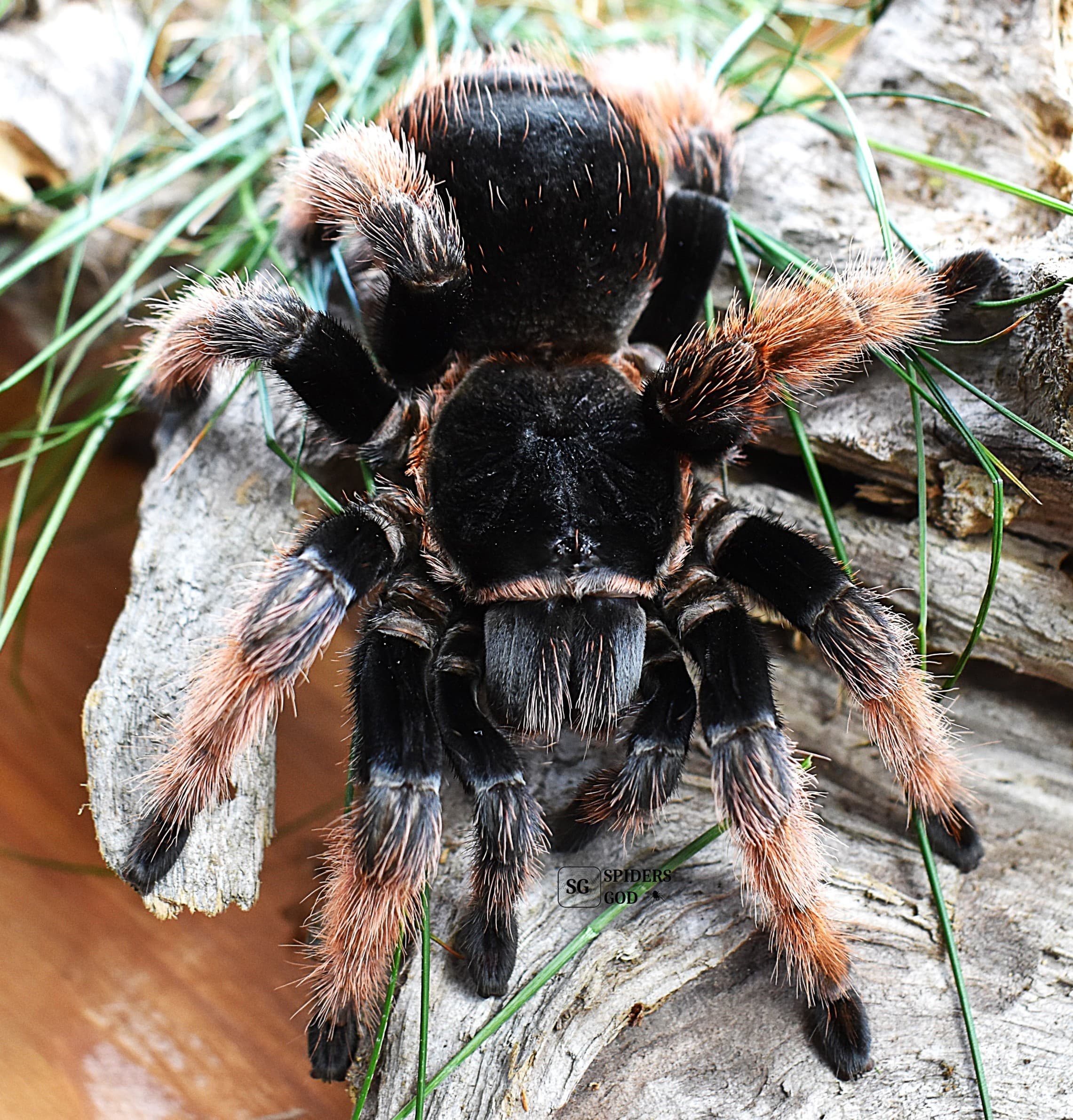 TRUSTED
Brachypelma klaasi L2
60.00 PLN
Available: 6 pcs.UnsexedL2spidersgodeu
Care at a glance
Size
Females approx. 5–6 cm body length; leg span approx. 14–16 cm
Enclosure type
Horizontal, for a terrestrial species with the option to dig
Substrate
A stable, thicker layer; the surface rather dry
Furnishings
A hide and constant access to fresh water
Conditions
Rather dry to moderate; good ventilation
Characteristics
Slower growth; can be more defensive than other Brachypelma
Care and behaviour
Brachypelma klaasi is terrestrial. Floor area, a thicker substrate for deepening a retreat, and constant water matter. An enclosure that is too tall increases fall risk. A prepared hide reduces stress, but the spider may still rebuild the shelter.
Pacific Mexican habitats are seasonally dry, so the substrate surface may remain rather dry. A slightly more humid lower layer is acceptable; constantly wet, stuffy conditions are not. Ventilation and a moderate moisture gradient replace a single rigid humidity percentage.
Growth is slow and females are long-lived. Compared with many Brachypelma, individuals more often take a defensive posture and use urticating hairs. This is an observation species for someone who already understands that “Mexican Brachypelma” does not automatically mean a gentle temperament.
Good to know
Brachypelma klaasi has urticating hairs and may use them when disturbed. Contact irritates skin, eyes, and mucous membranes. The genus Brachypelma, including this species, is listed on CITES Appendix II; cross-border trade may require documents, and obligations vary by jurisdiction and transaction. This is not legal advice. IUCN assesses the species as Near Threatened. Prefer legally sourced, documented captive-bred animals.