Ceratogyrus darlingi
African Rear-horned Baboon
6 active listings · Spiders
Category
Spiders
Origin
Botswana, Zimbabwe, Mozambique and South Africa
Lifestyle
Fossorial
Difficulty
Advanced
Venom potency
Strong
About the species
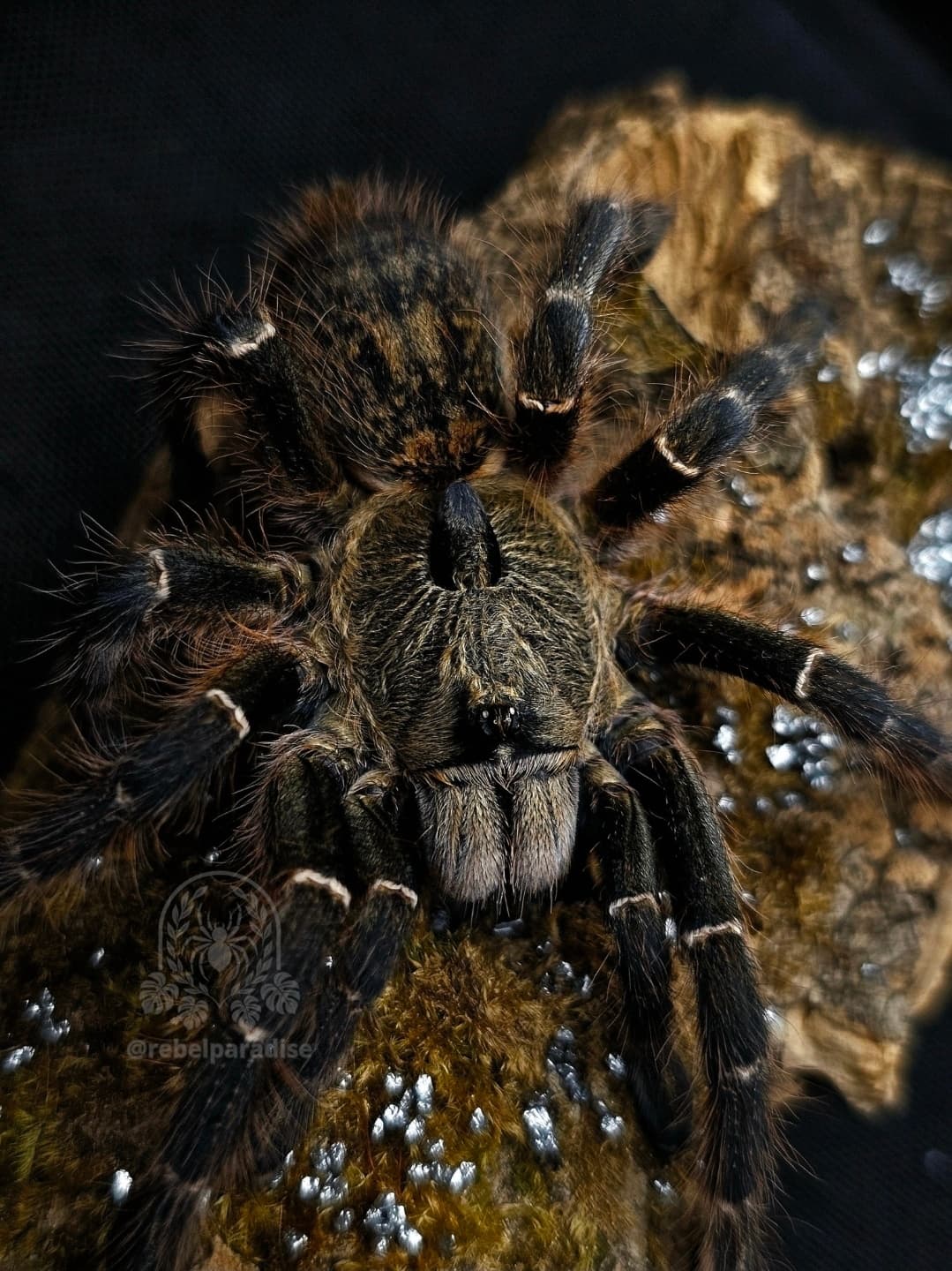
African Rear-horned Baboon (Ceratogyrus darlingi) is an African tarantula occurring in the southern part of the continent. It is strongly associated with burrows and inhabits mainly dry and semi-dry areas. Adult females reach about 5–6 cm in body length. The most characteristic feature of the species is a rear-facing projection on the carapace, referred to as a horn, by which Ceratogyrus darlingi is easily distinguished from many other African tarantulas.
Origin and distribution
Botswana, Zimbabwe, Mozambique and South Africa
It occurs naturally in Botswana, Zimbabwe, Mozambique and South Africa.
Current listings
 TRUSTED
Ceratogyrus darlingi L1 tarantula
20.00 PLN
Available: 10 pcs.UnsexedL1Rebel Paradise- TRUSTED
Female Ceratogyrus darlingi tarantula, 2.5DC
80.00 PLN
Available: 10 pcs.FemaleRebel Paradise 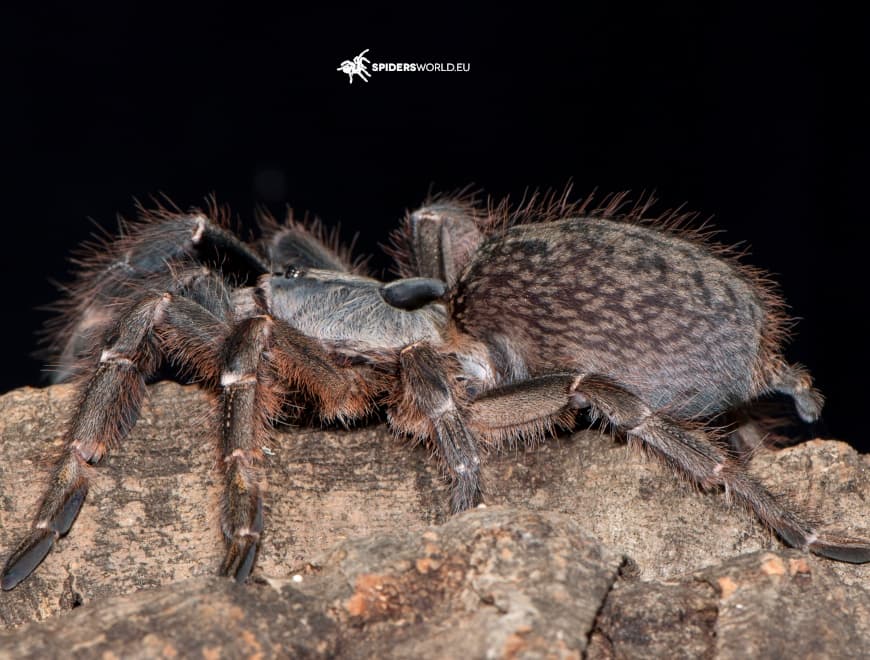 TRUSTED
Ceratogyrus darlingi (1cm)- East African Horned Baboon
20.00 PLN
Available: 2 pcs.1 cmspidersworld.eu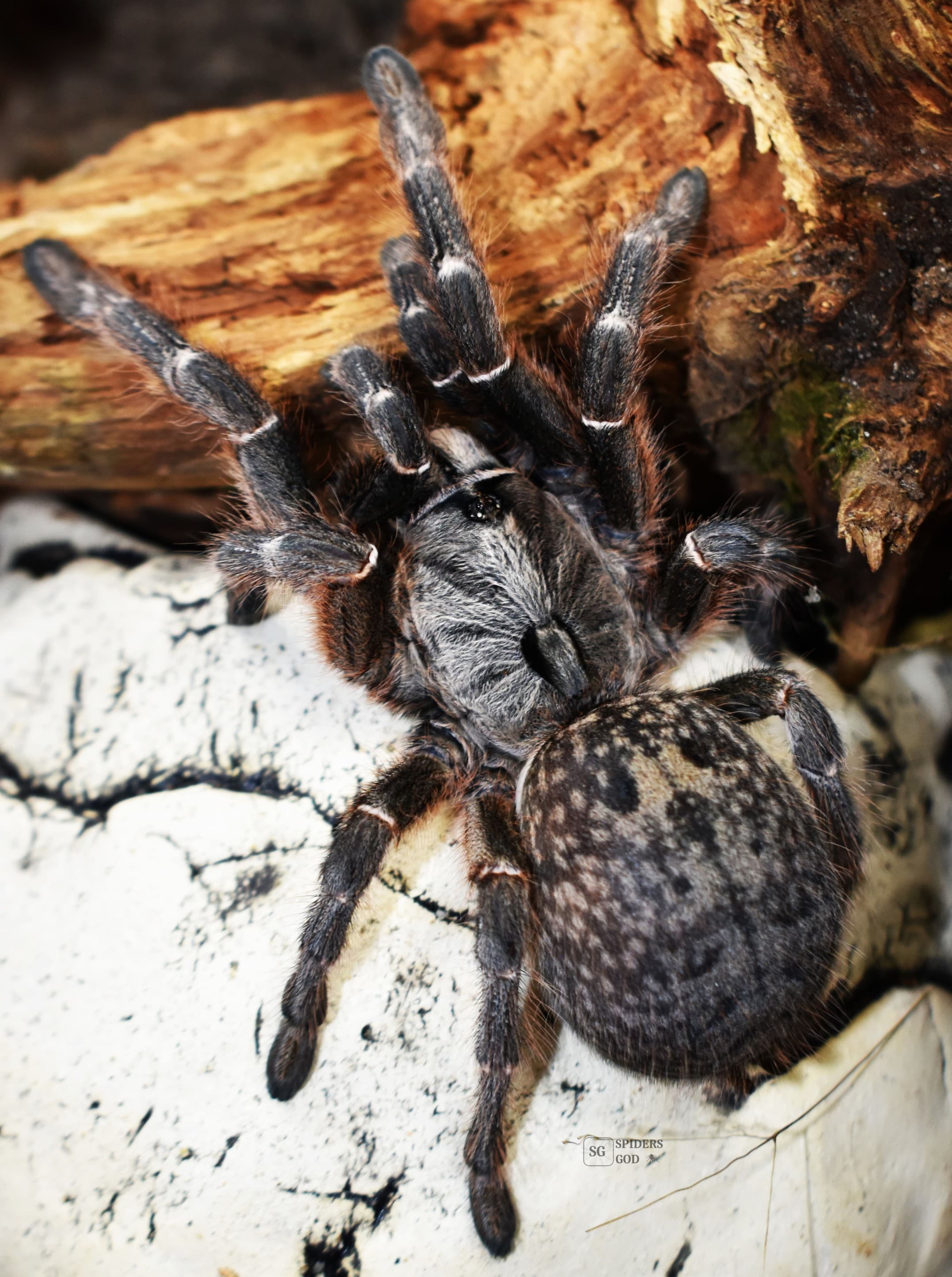 TRUSTED
Ceratogyrus darlingi L6
40.00 PLN
Available: 5 pcs.UnsexedL6spidersgodeu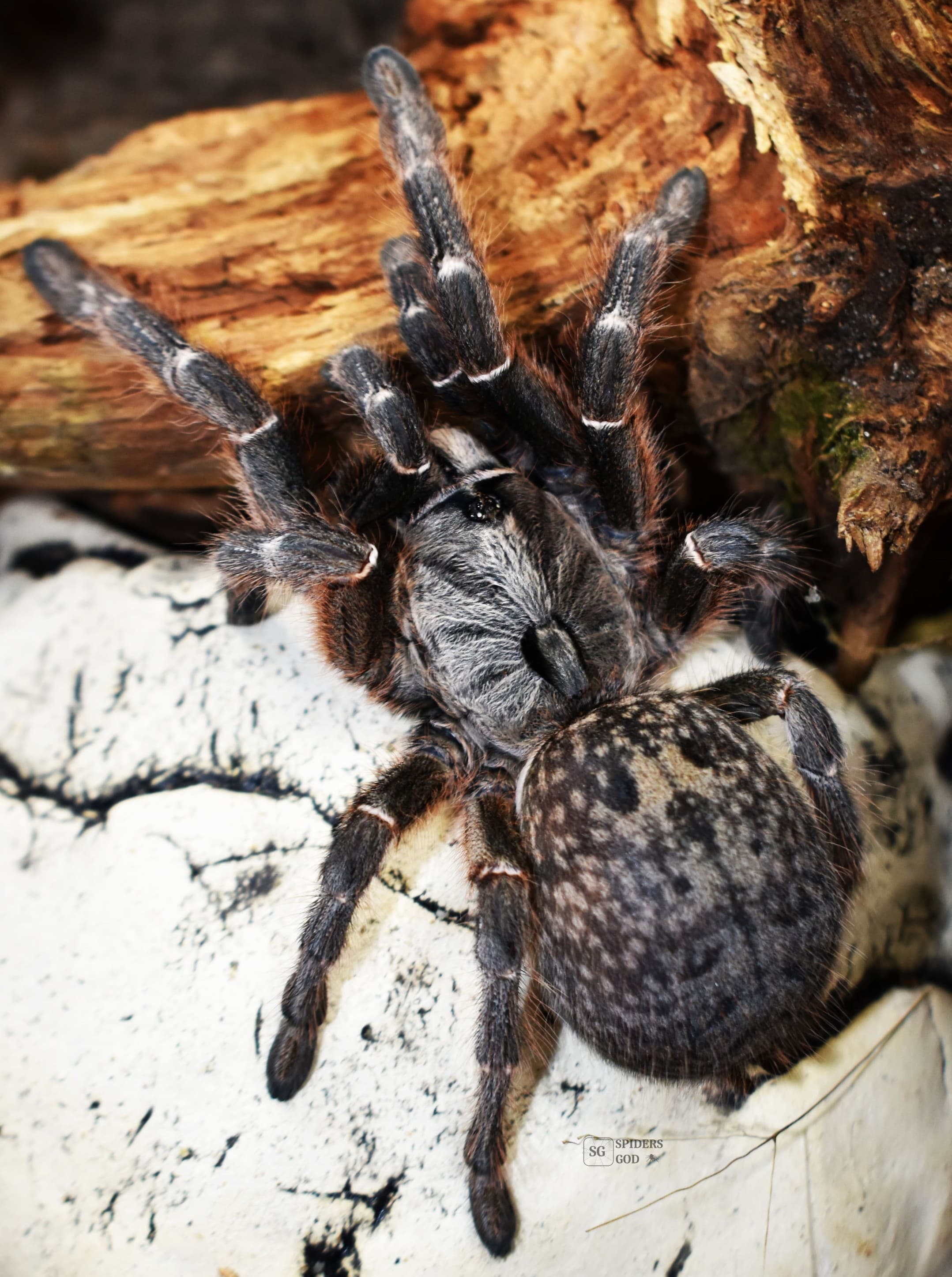 TRUSTED
Ceratogyrus darlingi L5
30.00 PLN
Available: 10 pcs.UnsexedL5spidersgodeu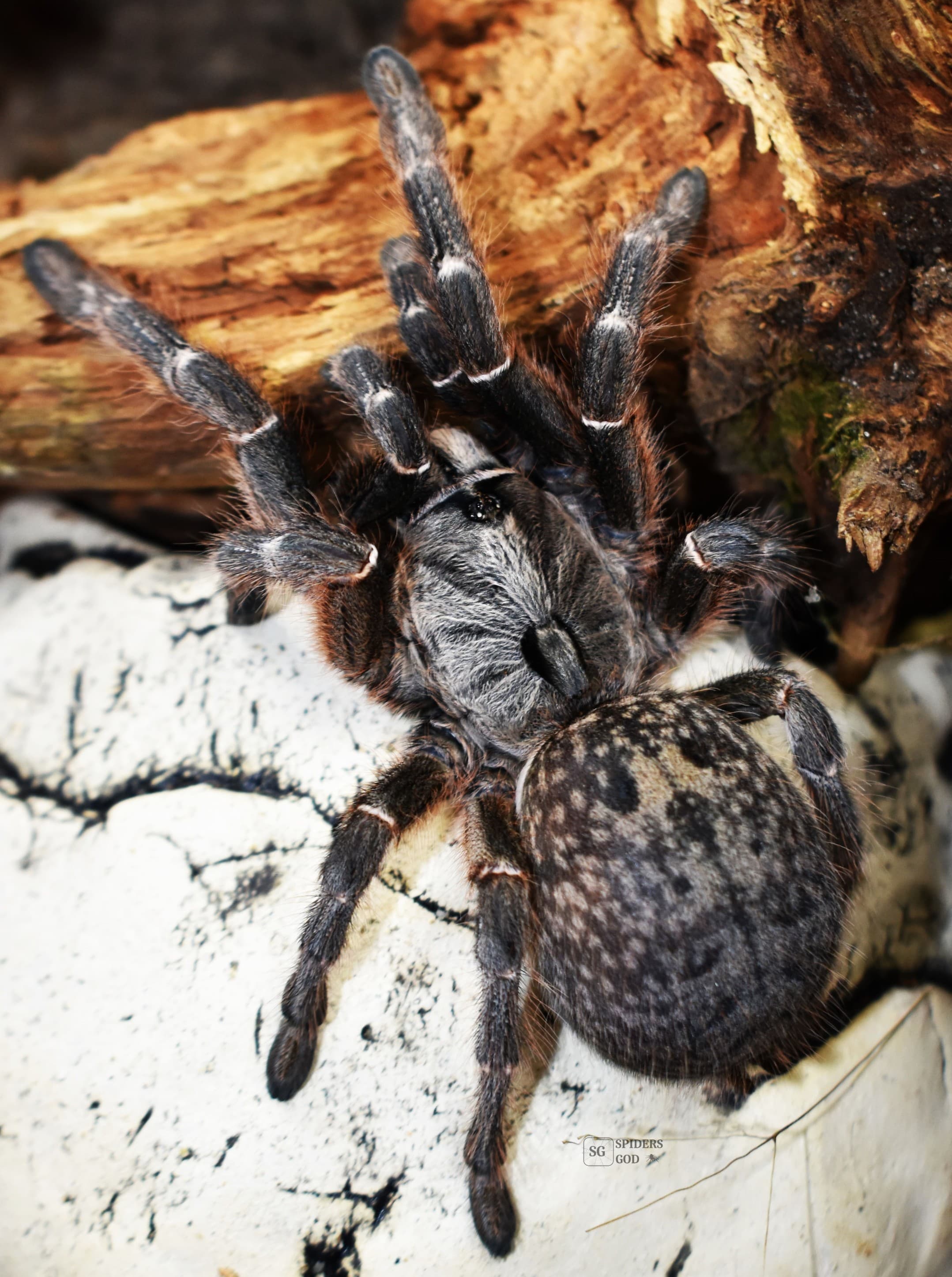 TRUSTED
Ceratogyrus darlingi L4
25.00 PLN
Available: 8 pcs.Unsexedl4spidersgodeu
Care at a glance
Size
Females approx. 5–6 cm body length
Enclosure type
For a burrowing species, with a deep layer of substrate
Substrate
A deep, stable layer that allows an extensive burrow to be built
Furnishings
A starter hide or burrow entrance, anchor points for webbing, and fresh water
Conditions
Rather dry to moderate; good ventilation and a slight moisture gradient
Characteristics
A distinctive horn on the carapace, a strong digging instinct, fast growth, and fast defensive responses
Care and behaviour
Ceratogyrus darlingi is a strongly burrowing species, so a large part of the enclosure should be filled with stable substrate that allows a deep burrow to be created. Providing a partly buried starter hide helps the spider begin constructing its own retreat and supports more natural burrowing behaviour.
The species comes from dry and semi-dry areas, so the enclosure should not be kept constantly wet. Most of the substrate may dry out, while a slightly more humid zone can be kept in one place. Regardless of how moisture is provided, good air exchange and constant access to fresh water are necessary.
Ceratogyrus darlingi may spend a considerable part of its time in the burrow, especially during the day. After dusk and during feeding it often appears at the entrance to the shelter. It is fast and may respond decisively to disturbance, so maintenance work should be done calmly and with suitable precautions against escape.
Good to know
Ceratogyrus darlingi does not have the urticating hairs typical of many New World tarantulas. It is fast and may adopt a decisive defensive posture, so the species is best left for observation and direct contact avoided. The distinctive horn on the carapace is a natural structural feature of this species, but its exact function has not been conclusively explained.