Megaphobema robustum
Colombian Giant
5 active listings · Spiders
Category
Spiders
Origin
Colombia
Lifestyle
Terrestrial
Difficulty
Intermediate
Venom potency
Weak
About the species
Colombian Giant (Megaphobema robustum) is a large terrestrial New World tarantula and the type species of Megaphobema. The World Spider Catalog accepts the name (Ausserer, 1875) and gives the distribution as Colombia; a historical placement in Lasiodora does not change the current classification. Adult females are clearly more massive than typical Mexican Brachypelma: body length is often about 6–8 cm, and the leg span may reach about 16–20 cm. Reddish legs and a dark body do not make it a calm starter — individuals can be nervous and use urticating hairs.
Origin and distribution
Colombia
The species is endemic to Colombia.
Current listings
 TRUSTED
Megaphobema robustum Female Tarantula 3DC
200.00 PLN
Last piece!FemaleRebel Paradise- TRUSTED
Megaphobema robustum Male Tarantula 3DC
100.00 PLN
Available: 2 pcs.MaleRebel Paradise 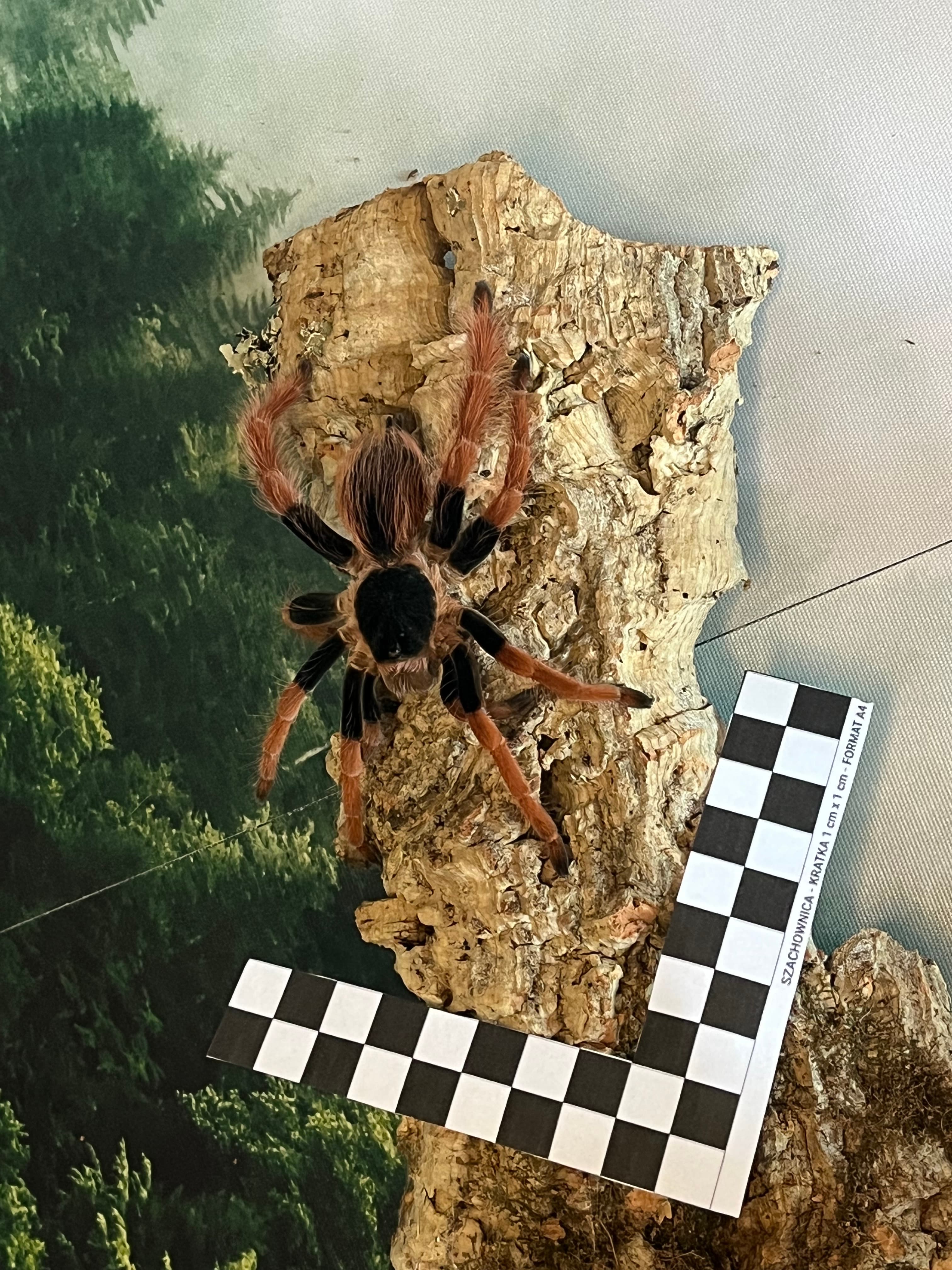 TRUSTED
M.robustum
150.00 PLN
Last piece!MaleDonRenice TRUSTED
Megaphobema robustum Female (6cm)
210.00 PLN
Last piece!Female6 cmspidersworld.eu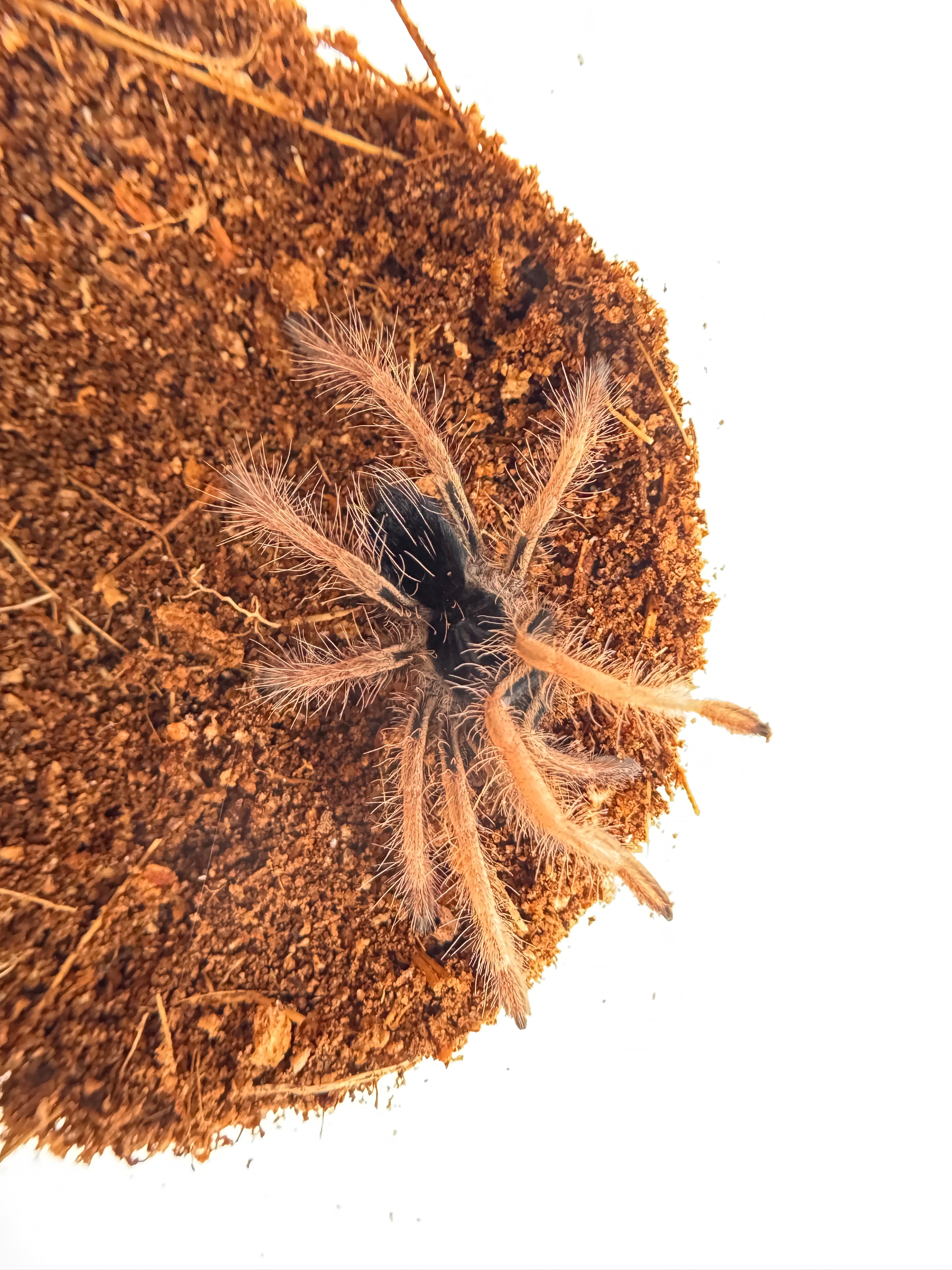 TRUSTED
Megaphobema robustum L1
70.00 PLN
Available: 37 pcs.UnsexedL1TheCrawlyCrew
Care at a glance
Size
Females often about 6–8 cm body length; leg span about 16–20 cm
Enclosure type
Roomy in floor area, for a large terrestrial species
Substrate
A thicker, stable layer; the surface may dry
Furnishings
A solid hide and constant access to fresh water
Conditions
Moderate; good ventilation, without flooding the substrate
Characteristics
Large, can be nervous; urticating hairs; not a first tarantula
Care and behaviour
Megaphobema robustum needs floor space and a secure hide first, not height that invites a fall. Substrate should cushion the animal’s mass and allow a shallow scrape, not a permanent Chilobrachys-style burrow. The water dish must be stable and easy to refill without herding the spider.
A Colombian origin does not mean a tropical swamp in the enclosure. The surface may dry, and one side can stay slightly more humid. Good ventilation limits stuffy, still air. Do not treat a single temperature or humidity figure as a standard.
When disturbed, individuals often kick urticating hairs with the hind legs and may shift position quickly. Plan maintenance calmly, keeping distance from the abdomen. Size and mass do not make the species suitable for handling.
Good to know
Megaphobema robustum has urticating hairs and may use them when disturbed; contact irritates skin, eyes, and mucous membranes. The genus Megaphobema is not listed on the CITES Appendices. Obligations may depend on the country and transaction type, and this page is not legal advice. Prefer legally sourced captive-bred animals.