Lasiodora parahybana
Salmon Pink Birdeater
12 active listings · Spiders
Category
Spiders
Origin
Brazil (Paraíba)
Lifestyle
Terrestrial
Difficulty
Beginner
Venom potency
Weak
About the species
Salmon Pink Birdeater (Lasiodora parahybana) is a large, terrestrial tarantula from Brazil. Adult females reach about 9–10 cm in body length, and the leg span may exceed 20 cm. The species is distinguished by a massive build, dark colouration with paler, pinkish hairs, and a strong feeding response. It is one of the most imposing tarantulas kept in captivity.
Origin and distribution
Brazil (Paraíba)
The species is endemic to Paraíba (Brazil).
Current listings
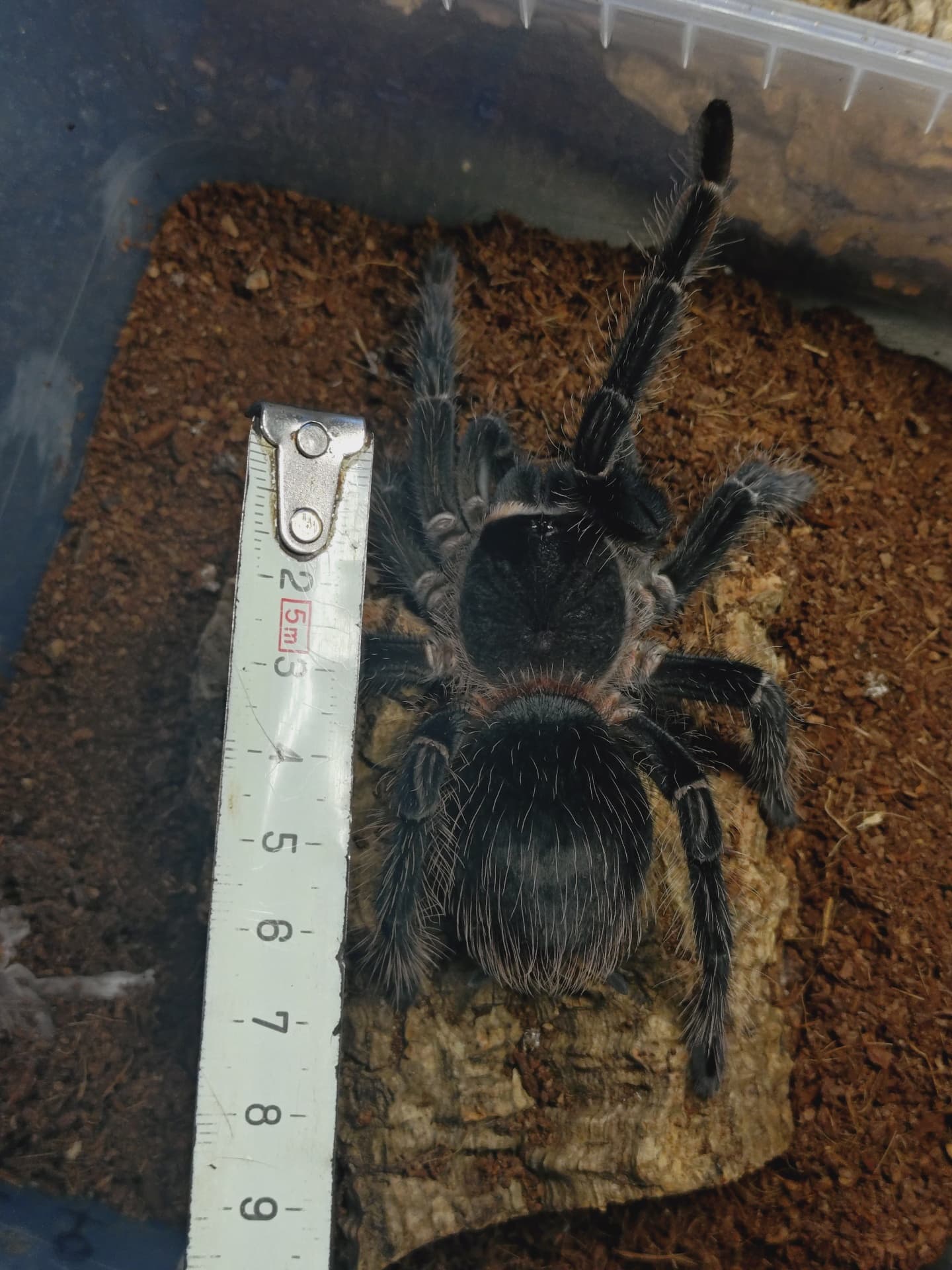
Lasiodora parahybana
80.00 PLN
Available: 2 pcs.Female6 cm$liwa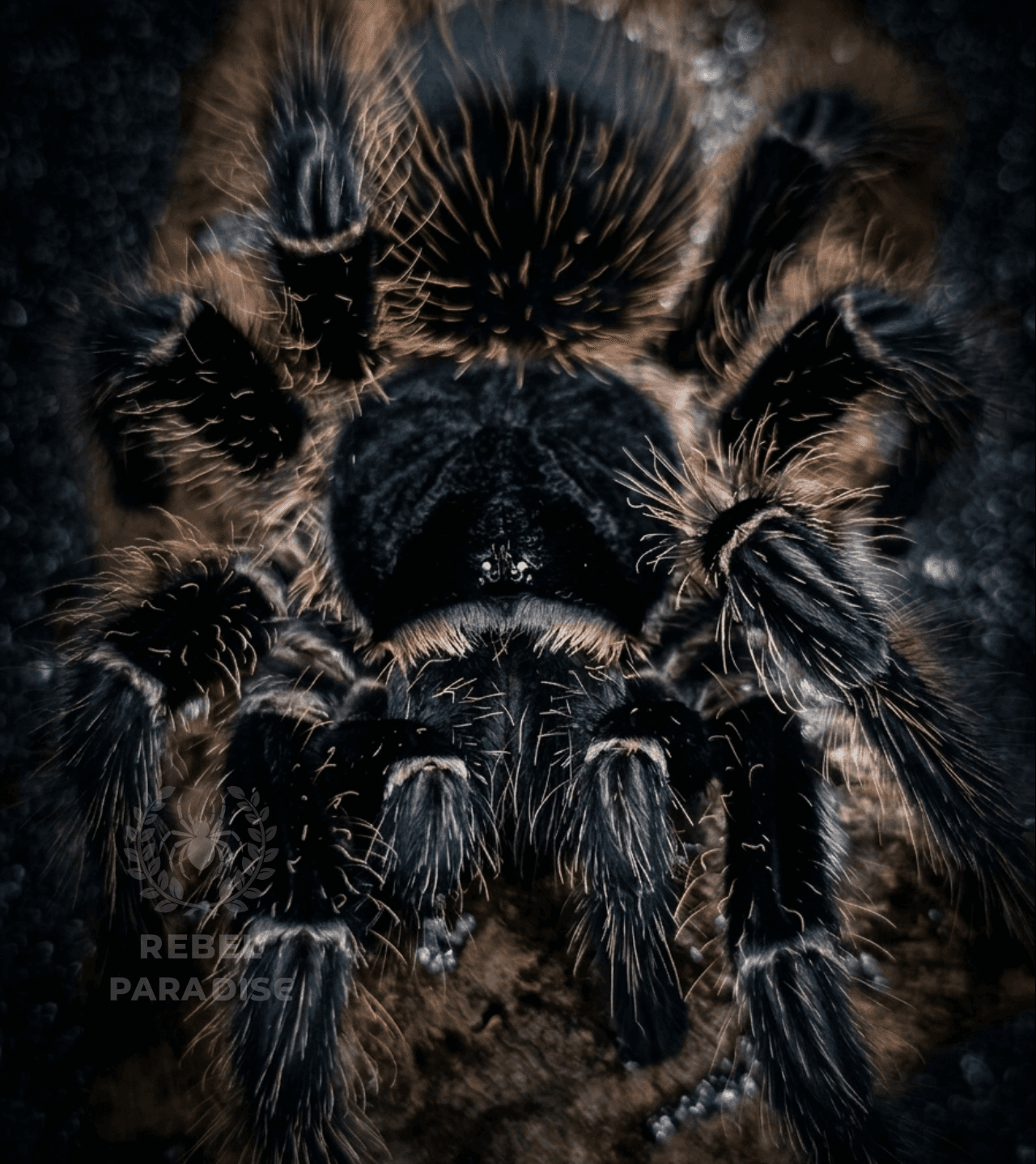 TRUSTED
Lasiadora parahybana Tarantula, Female, 3DC
100.00 PLN
Available: 3 pcs.FemaleRebel Paradise- TRUSTED
Lasiadora parahybana L2 Tarantula
20.00 PLN
Available: 30 pcs.UnsexedL2Rebel Paradise  TRUSTED
Lasiodora parahybana l6
40.00 PLN
Last piece!UnsexedTerra Spiders Pl TRUSTED
Lasiodora parahybana Male (7.5cm)
30.00 PLN
Available: 8 pcs.Male7,5 cmspidersworld.eu TRUSTED
Lasiodora parahybana Female + Male (7.5cm)
95.00 PLN
Available: 10 pcs.Pair7,5 cmspidersworld.eu TRUSTED
Lasiodora parahybana Female (7.5cm)
85.00 PLN
Available: 10 pcs.Female7,5 cmspidersworld.eu TRUSTED
Parahyban subadult
40.00 PLN
Last piece!Unsexed4,5Dc cmarthopodki TRUSTED
Lasiodora parahybana1.5DC
30.00 PLN
Available: 8 pcs.Unsexedspidersgodeu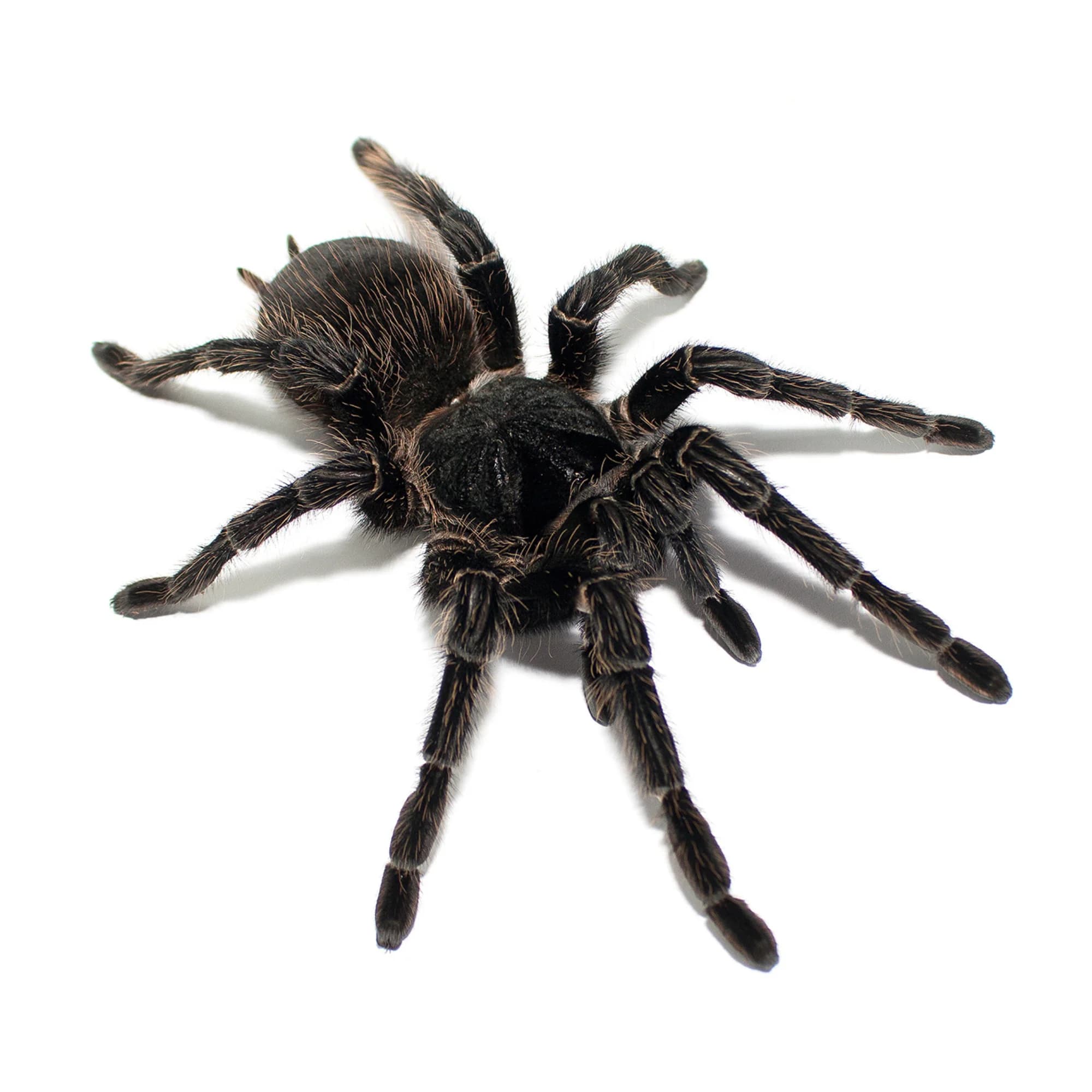 TRUSTED
Lasiodora parahybana L2
10.00 PLN
Available: 10 pcs.UnsexedL2reptilesbrothers.pl- TRUSTED
Lasiodora parahybana L1
8.00 PLN
Available: 5 pcs.UnsexedL1reptilesbrothers.pl  TRUSTED
Lasiodora Parachybana L5
20.00 PLN
Available: 100 pcs.Unsexed1 cmL5animaLcouple
Care at a glance
Size
Females approx. 9–10 cm body length; leg span may exceed 20 cm
Enclosure type
Horizontal, suited to a large terrestrial species
Substrate
A thicker substrate layer with a slightly more humid section
Furnishings
A stable hide and constant access to fresh water
Activity
Mainly evening and nocturnal
Characteristics
Fast growth and a strong feeding response
Care and behaviour
As a terrestrial species, Lasiodora parahybana needs sufficient floor space above all, not a tall enclosure. An adult should be given a stable, horizontal enclosure with a thicker substrate layer, a hide, and constant access to fresh water. The substrate may be slightly damp in places, but it should not remain constantly wet. Good ventilation is also important.
Lasiodora parahybana grows quickly and usually shows a very decisive feeding response. Because of its large body mass, the risk of a fall from height should be reduced, so an enclosure that is too tall is not a good solution for an adult.
Adult females are long-lived and may live for many years, whereas adult males live markedly shorter lives. The species is best treated as an animal for observation, limiting direct contact to the necessary minimum.
Good to know
The salmon pink birdeater has urticating hairs that it may kick from the abdomen when threatened. They can irritate the skin, eyes, and mucous membranes. When working in the enclosure, it is worth being cautious, avoiding sudden movements, and not provoking the spider into defensive behaviour.