Hysterocrates gigas
Cameroon Red
4 active listings · Spiders
Category
Spiders
Origin
Cameroon
Lifestyle
Fossorial
Difficulty
Advanced
Venom potency
Strong
About the species
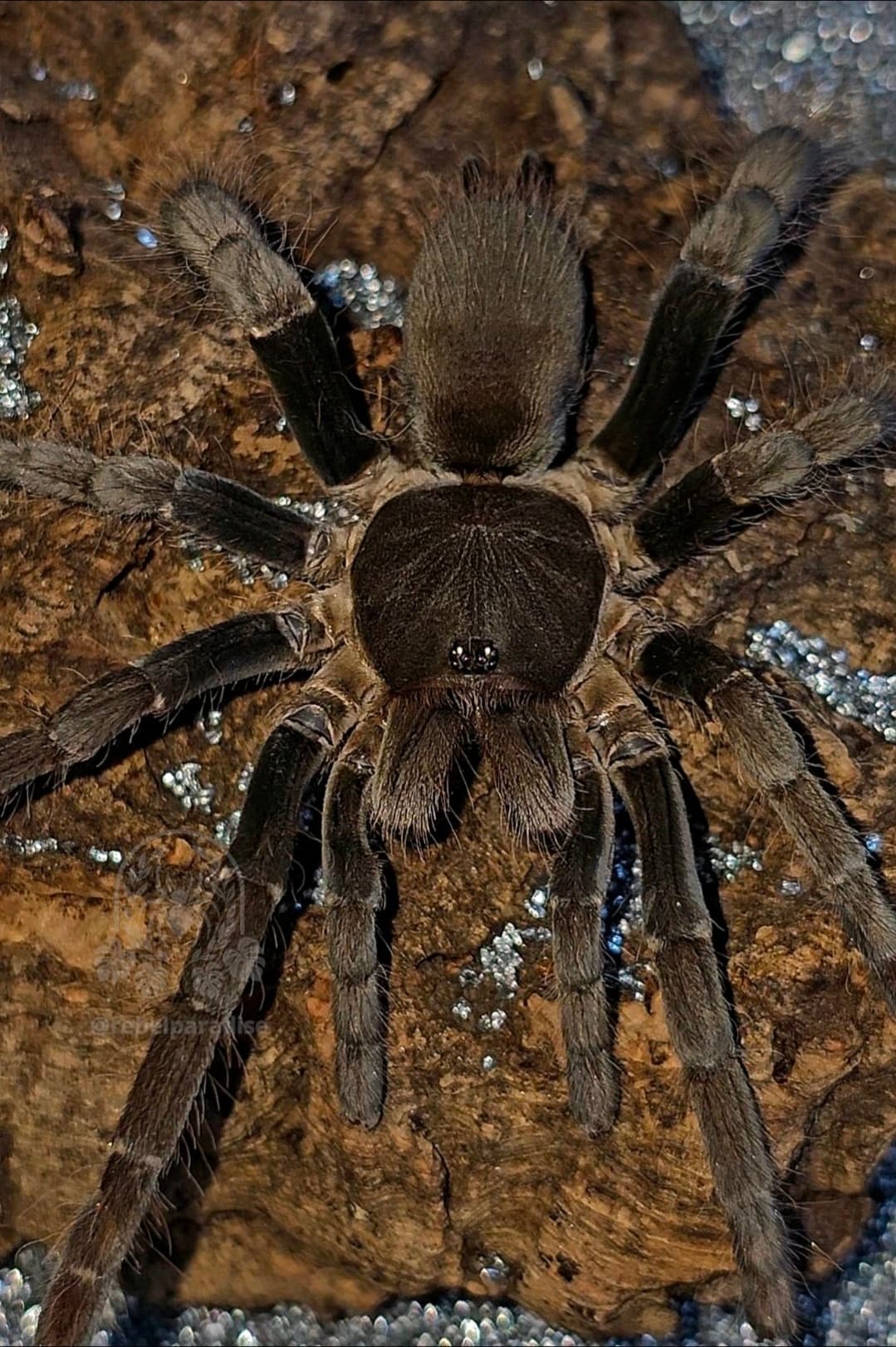
Cameroon Red (Hysterocrates gigas) is a fossorial Old World tarantula of the genus Hysterocrates (Pocock, 1897). The World Spider Catalog gives the distribution as Cameroon. It belongs to Eumenophorinae, not the arboreal Stromatopelminae. Adult females are massive: body length is often about 7–8 cm, leg span about 16–20 cm. Red-brown colour does not make it a calm terrestrial Brachypelma. The species digs deep burrows in more humid forest soil, webs the entrance, and moves quickly. Hobby stories about swimming or diving are not the basis of husbandry here. This is not a beginner species.
Origin and distribution
Cameroon
The species is endemic to Cameroon.
Current listings
 TRUSTED
Hysterocrates gigas Female Tarantula 4DC
100.00 PLN
Available: 3 pcs.FemaleRebel Paradise- TRUSTED
Hysterocrates gigas tarantula, L3 stage
20.00 PLN
Available: 30 pcs.UnsexedL3Rebel Paradise 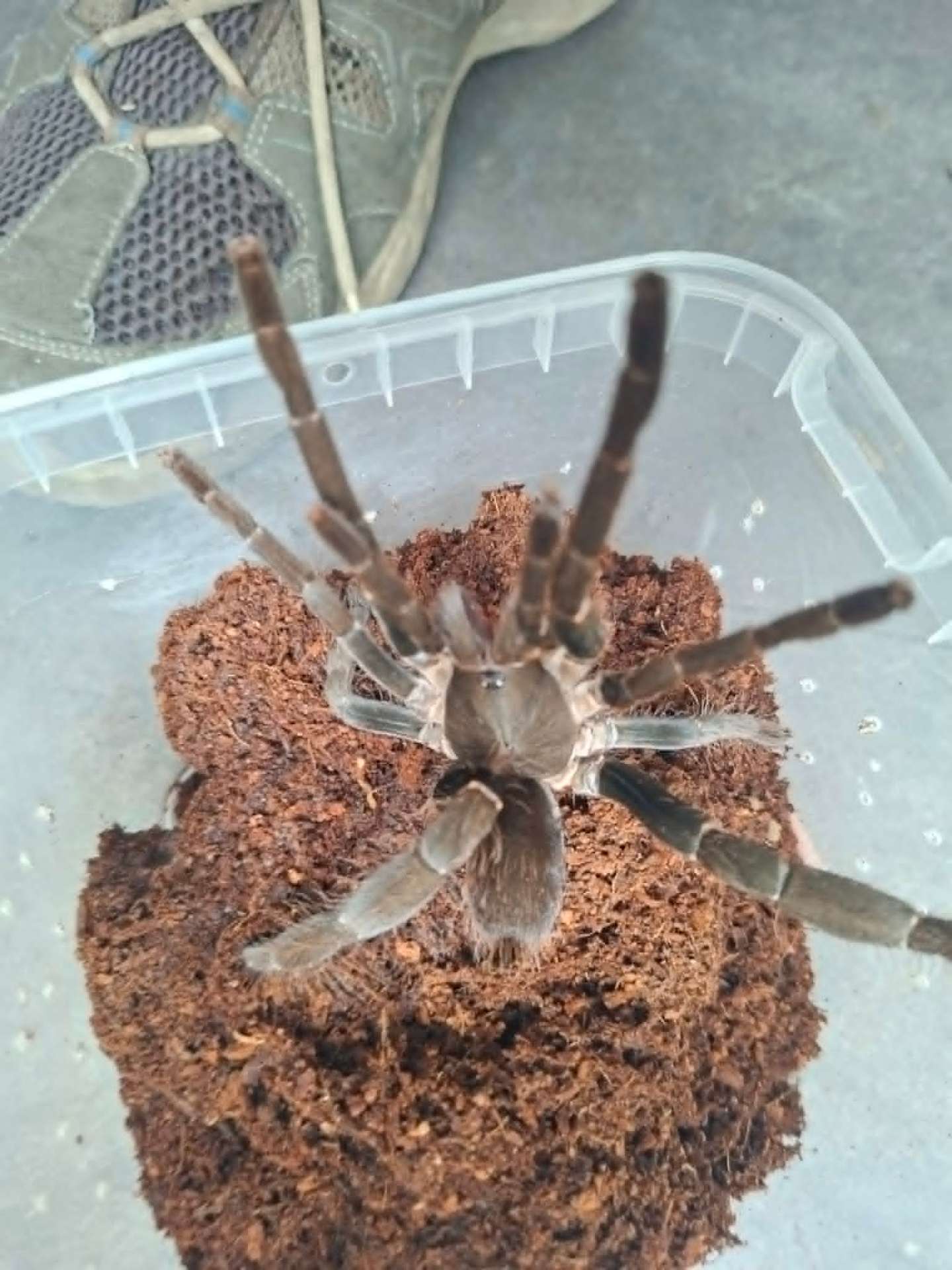 TRUSTED
Female Hysterocrates gigas 6DC
119.99 PLN
Last piece!Female6 cmMichał Kownacki TRUSTED
Young specimens, approximately 1DC (L4/L5)
20.00 PLN
Available: 50 pcs.Unsexed1 cmL5SpidersPoint
Care at a glance
Size
Females often about 7–8 cm body length; leg span about 16–20 cm
Enclosure type
Low, secure, with very deep substrate for a burrow
Substrate
A thick, form-stable layer; lower parts more humid, not flooded
Furnishings
A starter tunnel or cork and constant access to fresh water
Conditions
A more humid gradient with good ventilation, without standing water on the floor
Characteristics
A large, fast, fossorial Old World species; experienced keepers only
Care and behaviour
Hysterocrates gigas builds deep burrows and often webs the entrance densely. The enclosure should be deep and secure first, not tall. Cork at an angle or a starter tunnel helps, but the spider usually rebuilds the retreat. Do not excavate the burrow without a clear reason, and do not replace depth with a wide, shallow tray.
Lower layers may stay more humid, as in a sheltered forest-burrow microhabitat, but the floor must not stand in water. The surface and burrow mouth should be able to dry. Constant water in a shallow dish and localized misting of one side are safer than flooding the tank. Do not base husbandry on unsupported swimming stories.
Individuals spend much of their time in the burrow and come out quickly when they feel vibration. They have no urticating hairs; defence relies on speed and a bite. Plan maintenance with the area around the enclosure contained. Size and mass do not make the species suitable for handling.
Good to know
Hysterocrates gigas has no urticating hairs. Venom of African Eumenophorinae can be medically significant; treat a bite seriously, and this page is not medical advice. The species is not listed on the CITES Appendices. Obligations may depend on the country and transaction; this is not legal advice. Require legally sourced captive-bred animals.