Chilobrachys fimbriatus
Indian Violet
5 active listings · Spiders
Category
Spiders
Origin
India — Western Ghats
Lifestyle
Fossorial
Difficulty
Advanced
Venom potency
Strong
About the species
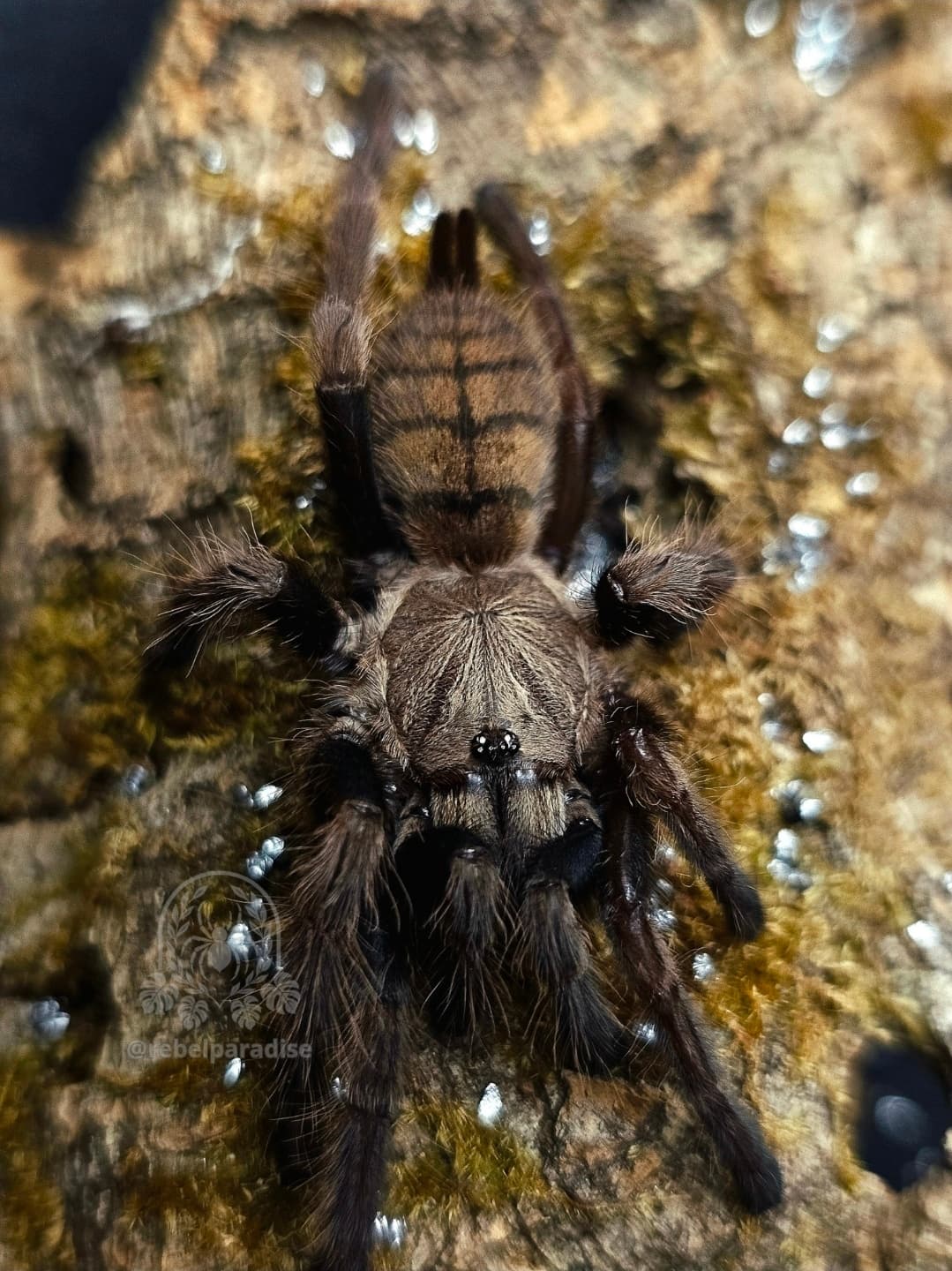
Indian Violet (Chilobrachys fimbriatus) is a fossorial Old World tarantula from India. The World Spider Catalog accepts the species described by Pocock in 1899 and gives the distribution as India; the junior synonym Ischnocolus decoratus is not a separate trade species. Adult females usually reach about 5–6 cm in body length and about 13–15 cm in leg span. Violet-brown setae, especially after a moult, do not change the fact that this is a fast, burrowing species without urticating hairs, and not a first tarantula.
Origin and distribution
India — Western Ghats
The species is endemic; its range is restricted to Western Ghats within India.
Current listings
 TRUSTED
Chilobrachys fimbriatus Female Tarantula 3DC
100.00 PLN
Available: 5 pcs.FemaleRebel Paradise TRUSTED
Chilobrachys fimbriatus (2cm) - Indian Violet
25.00 PLN
Last piece!Unsexed2 cmspidersworld.eu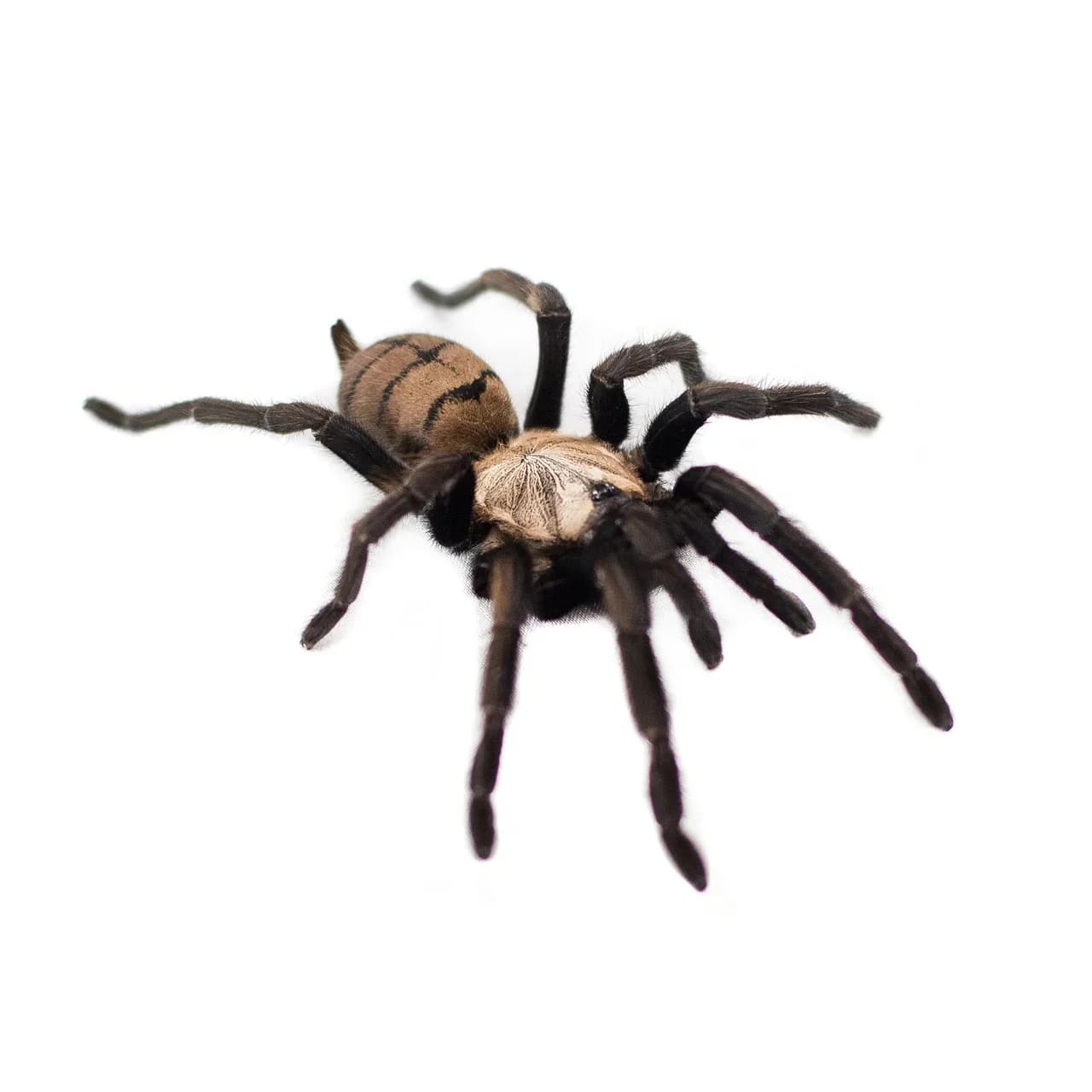 TRUSTED
Chilobrachys fimbriatus L3
26.00 PLN
Last piece!UnsexedL3reptilesbrothers.pl TRUSTED
Chilobrachys fimbriatus 3.5DC female
150.00 PLN
Available: 2 pcs.Unsexedspidersgodeu TRUSTED
Chilobrachys fimbriatus L7
50.00 PLN
Available: 5 pcs.Unsexedspidersgodeu
Care at a glance
Size
Females approx. 5–6 cm body length; leg span approx. 13–15 cm
Enclosure type
Low, securely closed, with deep substrate for a burrow
Substrate
A thick, shape-holding layer; lower parts may stay more humid
Furnishings
A starter tunnel or cork and constant access to fresh water
Conditions
Moderate humidity with a gradient and very good ventilation
Characteristics
A fast, fossorial Old World species; experienced keepers only
Care and behaviour
Chilobrachys fimbriatus builds burrows in the substrate and often webs the entrance densely. The enclosure should be deep and secure first, not tall. A slanted cork or a starter tunnel helps, but the spider usually rebuilds the retreat. Do not dig the burrow apart without a real reason.
Lower substrate layers may stay more humid; the surface and burrow mouth should be able to dry. Standing water in a shallow dish and localized moistening of one side are safer than frequent spraying of the whole tank. Do not treat a single temperature or humidity figure as a universal standard.
Individuals come out quickly and may bite if startled. They have no urticating hairs; defence relies on speed and a bite. Plan maintenance with the area around the enclosure contained. This is not a handling species and not a beginner species.
Good to know
Chilobrachys fimbriatus has no urticating hairs. Venom of Old World Chilobrachys can be medically significant; treat a bite seriously, and this page is not medical advice. The species is not listed on the CITES Appendices. Obligations may depend on the country and transaction type; this is not legal advice. Require legally sourced captive-bred animals.