Idiothele mira
Blue-footed Baboon
5 active listings · Spiders
Category
Spiders
Origin
South Africa — Ndumo / Tembe
Lifestyle
Podziemny (klapka)
Difficulty
Advanced
Venom potency
Strong
About the species
Blue-footed Baboon (Idiothele mira) is a small fossorial Old World tarantula endemic to South Africa. The World Spider Catalog accepts the species described by Gallon in 2010 and gives the distribution as South Africa; the description associates it with Ndumo and Tembe in KwaZulu-Natal. Adult females are clearly smaller than typical African baboon spiders: body length is usually about 2–3 cm. The sky-blue tarsi do not mean a gentle temperament — the species is fast, secretive, and builds silk-lined tunnels whose entrance may be closed with a thin trapdoor.
Origin and distribution
South Africa — Ndumo / Tembe
The species is endemic; its range is restricted to Ndumo / Tembe within South Africa.
Current listings
 TRUSTED
Idiothele mira adult fresh male 3 DC
120.00 PLN
Last piece!Male3 cmJacek TRUSTED
Idiothele mira (1.5cm)
60.00 PLN
Available: 2 pcs.Unsexed1,5 cmspidersworld.eu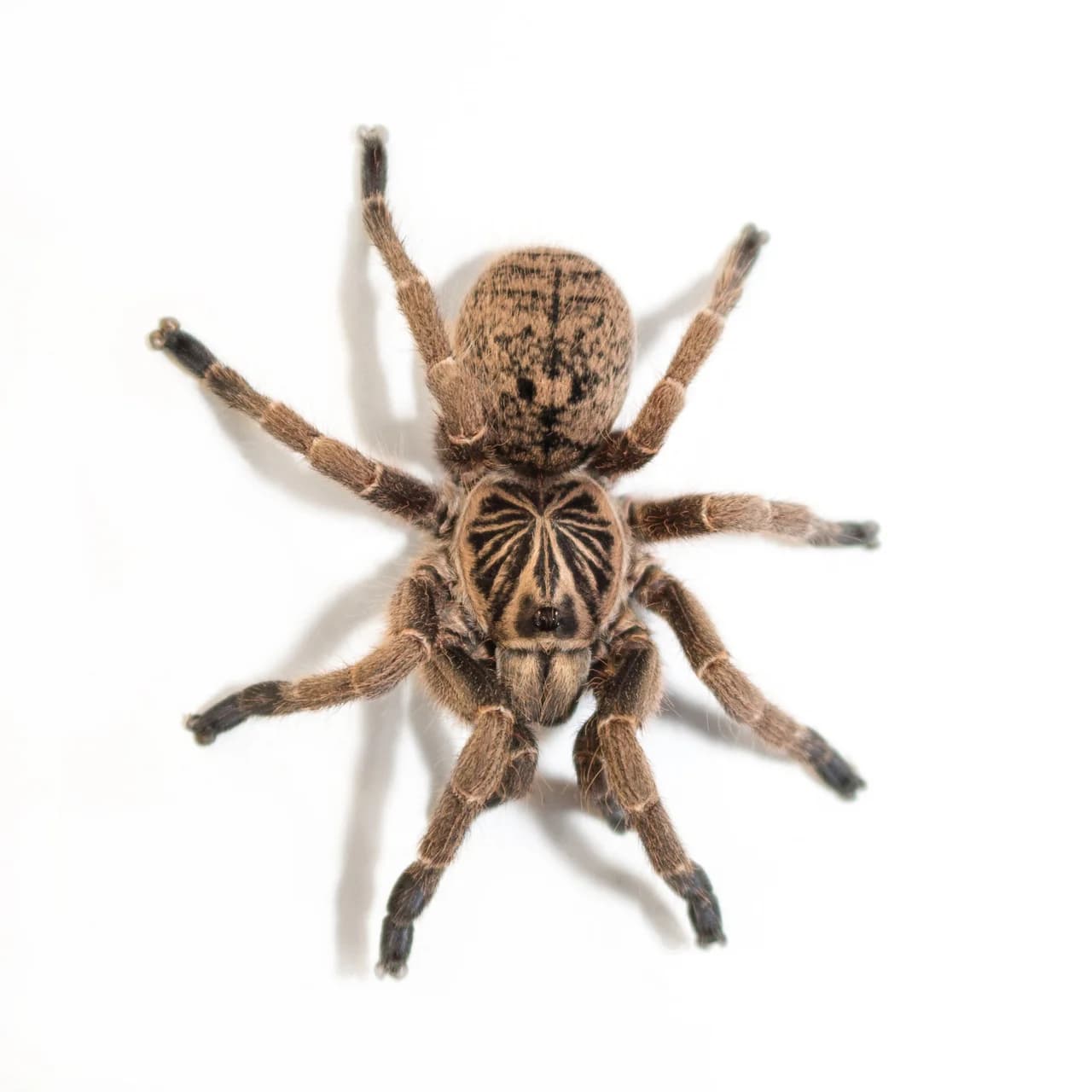 TRUSTED
Idiothele mira SAMIEC 2DC
80.00 PLN
Available: 2 pcs.Malereptilesbrothers.pl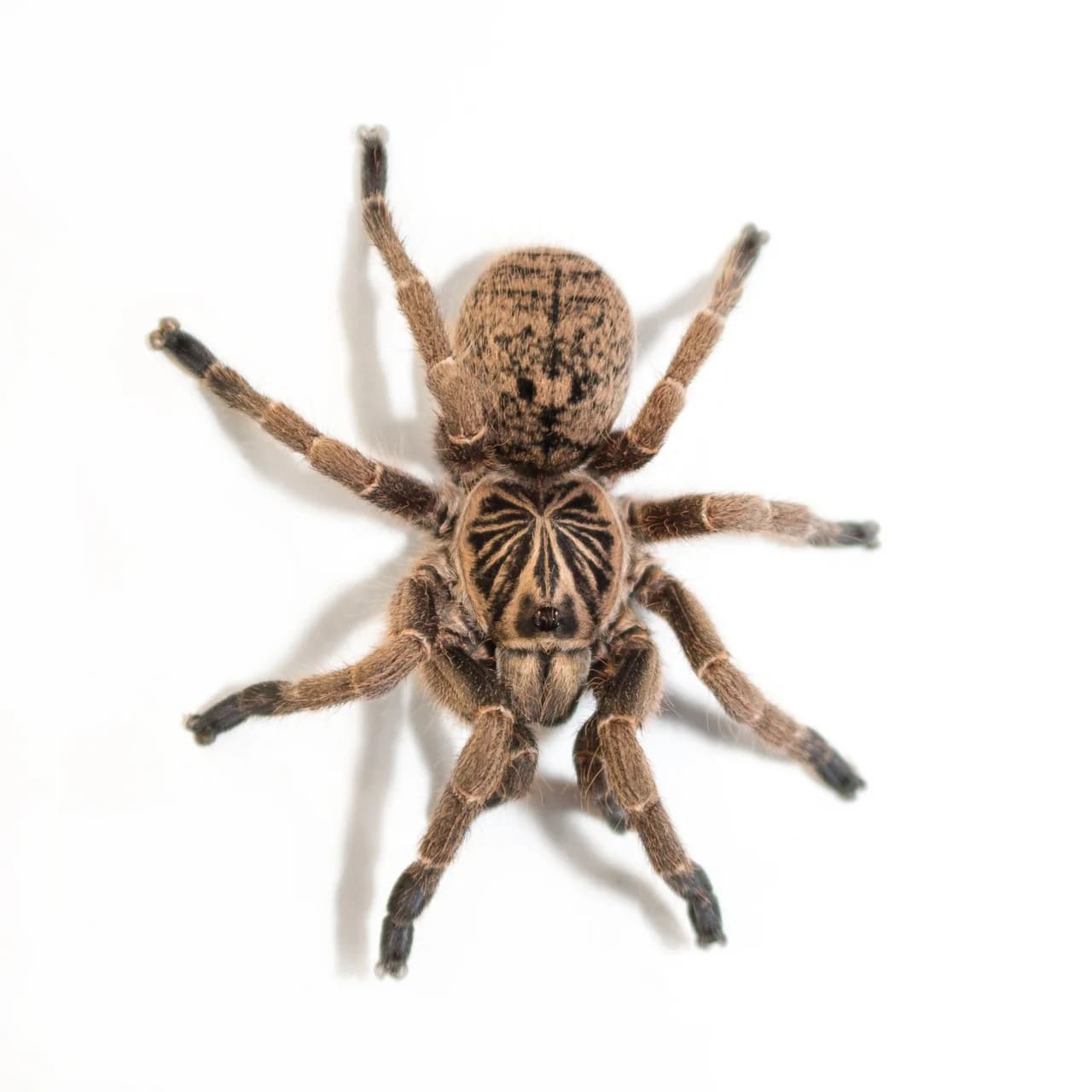 TRUSTED
Idiothele mira L2
55.00 PLN
Available: 2 pcs.UnsexedL2reptilesbrothers.pl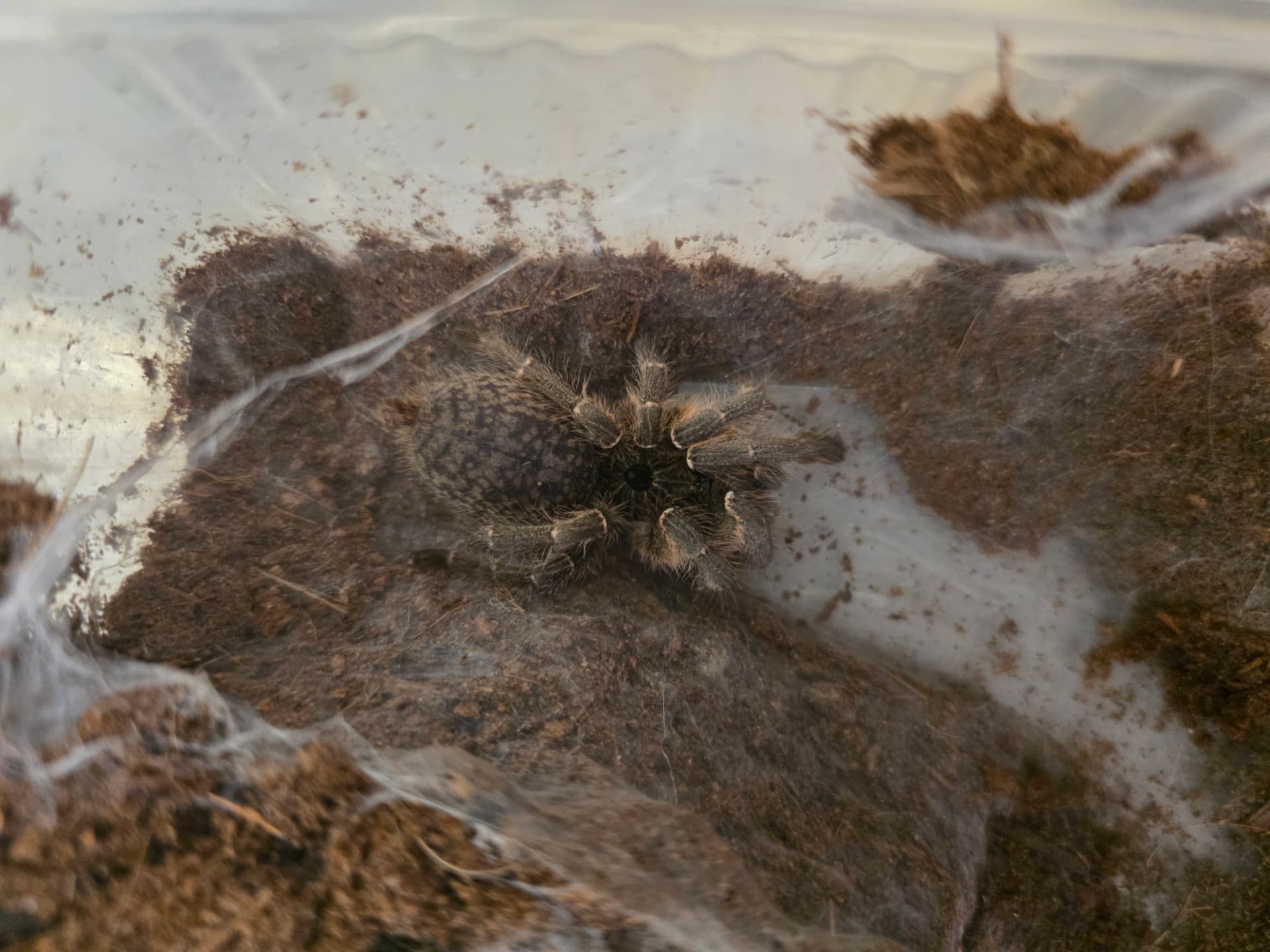
Idiothele Mira 2.5dc
300.00 PLN
Last piece!Unsexed2.5dc cm?zwd
Care at a glance
Size
Females usually about 2–3 cm body length; clearly smaller than many baboon spiders
Enclosure type
Low, secure, with deep substrate and room for a burrow
Substrate
A stable layer for a tunnel under cork or a root
Furnishings
Cork or a root as a burrow roof and constant fresh water
Conditions
Moderate; lower layers more humid, good ventilation
Characteristics
A secretive, fossorial trapdoor species; experienced keepers only
Care and behaviour
Gallon (2010) describes densely silk-lined tunnels under rocks and logs in lightly wooded habitat; the entrance may be sealed with a thin, wafer-like silk trapdoor that is not always obvious. In captivity give deep, shape-holding substrate and a stable cork roof rather than copying the layout of larger Ceratogyrus. The enclosure should be low and secure.
Do not keep the tank as a permanently wet pit. The surface may dry while lower layers stay more humid. Standing water in a shallow dish matters more than frequent spraying. A single temperature or humidity figure is not a universal requirement.
Individuals spend most of their time in the burrow and react quickly to vibration. They have no urticating hairs. Do not pull the spider from the tunnel or treat it as a calm dwarf Brachypelma. This is not a beginner species.
Good to know
Idiothele mira has no urticating hairs. Venom of African Harpactirinae can be medically significant; treat a bite seriously, and this page is not medical advice. The species is not listed on the CITES Appendices. In South Africa it has been included on draft Threatened or Protected Species (ToPS) lists; duties depend on jurisdiction and transaction. This is not legal advice. Require legally sourced captive-bred animals.