Nhandu tripepii
8 active listings · Spiders
Category
Spiders
Origin
Brazil
Lifestyle
Terrestrial
Difficulty
Intermediate
Venom potency
Weak
About the species
Nhandu tripepii is a large, terrestrial tarantula from Brazil. Adult females reach about 7–8 cm in body length and are distinguished by a massive build and very dense hairs in shades of beige, brown, and salmon pink. The species leads a mainly terrestrial lifestyle, but may use hides and periodically deepen the substrate. It is known for a strong feeding response and often remains clearly visible in the enclosure.
Origin and distribution
Brazil
The species is endemic to Brazil.
Current listings
 TRUSTED
Ornithoctonus aureotibialis L3 tarantula
50.00 PLN
Available: 4 pcs.UnsexedL3Rebel Paradise- TRUSTED
Nhandu tripepii Tarantula, L3
20.00 PLN
Available: 10 pcs.UnsexedL3Rebel Paradise - TRUSTED
Nhandu tripepii Tarantula, L3
20.00 PLN
Available: 10 pcs.UnsexedL3Rebel Paradise  TRUSTED
Nhandu tripepii - female 5 dc
250.00 PLN
Last piece!Female5 cmVenomous Art Wojciech Kubiak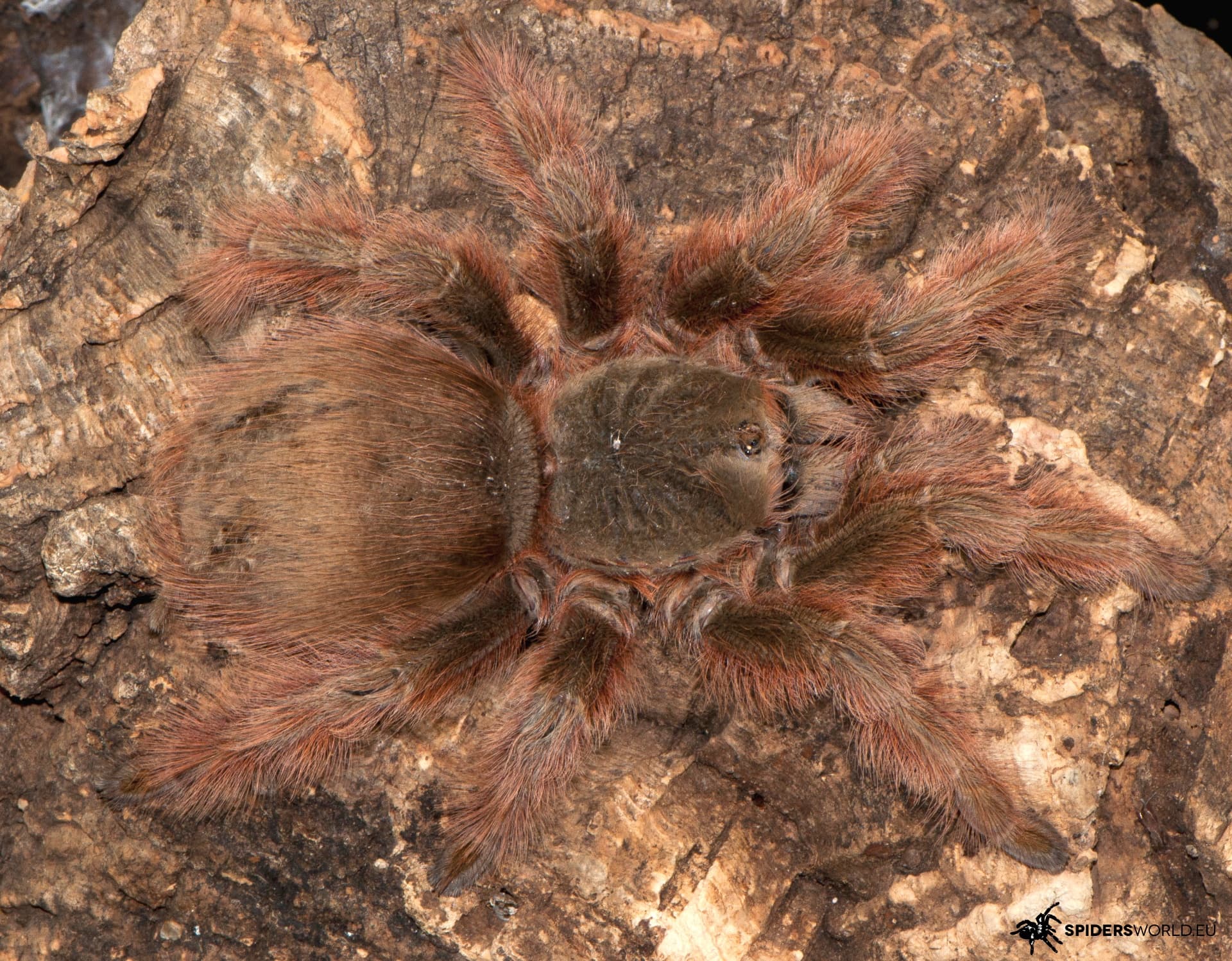 TRUSTED
Nhandu tripepii Male (6 cm)
35.00 PLN
Available: 8 pcs.Male6 cmspidersworld.eu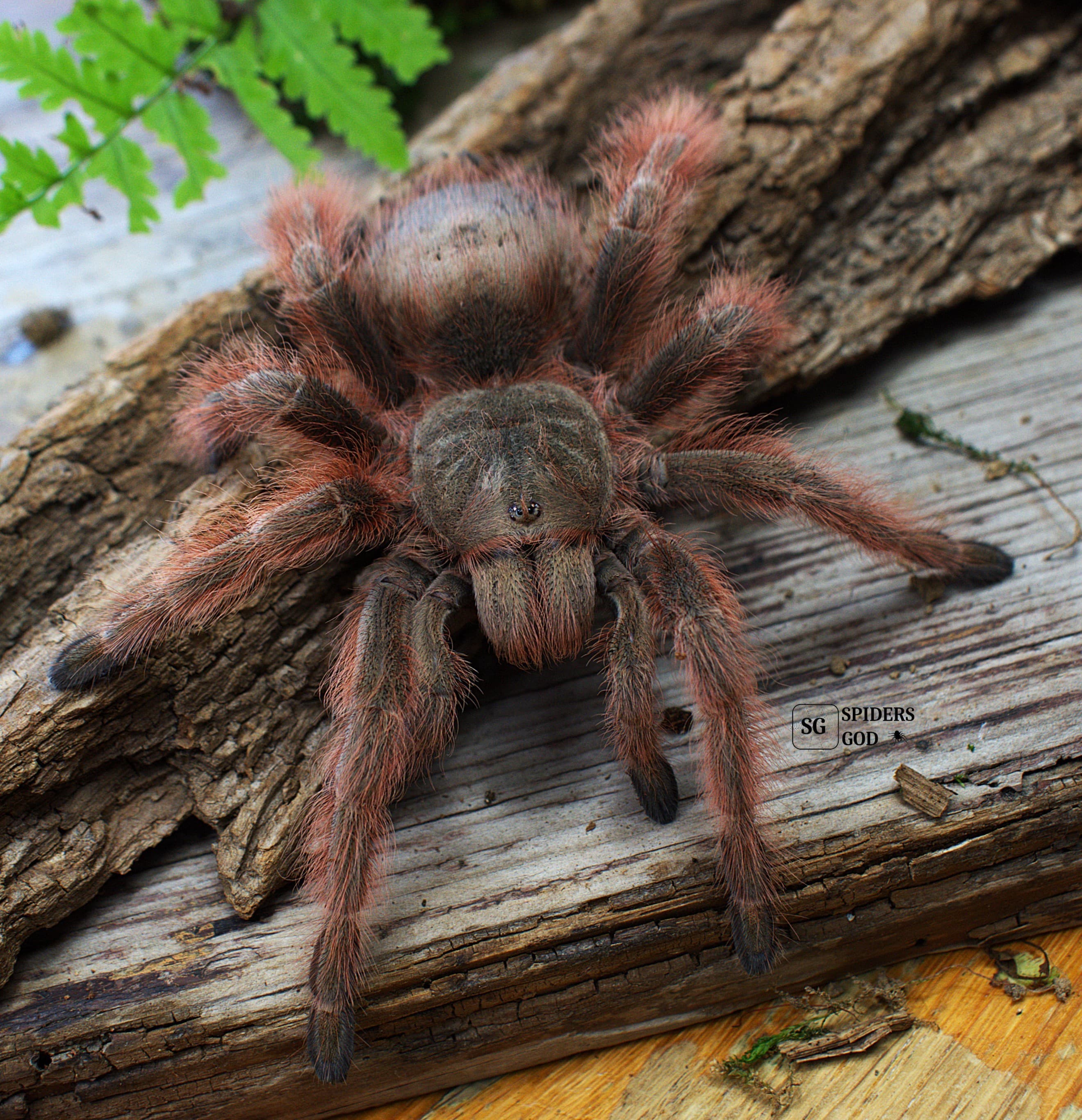 TRUSTED
Nhandu tripepii 2.5DC male
40.00 PLN
Available: 2 pcs.Malespidersgodeu TRUSTED
Nhandu tripepii L5
42.00 PLN
Available: 10 pcs.L5reptilesbrothers.pl TRUSTED
Nhandu tripepii L4
35.00 PLN
Available: 8 pcs.UnsexedL4reptilesbrothers.pl
Care at a glance
Size
Females approx. 7–8 cm body length
Enclosure type
Horizontal, for a large terrestrial species
Substrate
A thicker, stable layer with the possibility of digging and a moderate moisture gradient
Furnishings
A spacious hide and constant access to fresh water
Conditions
Moderately humid and well ventilated; the substrate should not remain constantly wet
Characteristics
A massive build, very dense hairs, a strong feeding response, and urticating hairs
Care and behaviour
Nhandu tripepii is a large terrestrial species, so the enclosure should be primarily wide and relatively low. A thicker layer of stable substrate lets the spider rearrange its surroundings and, if needed, deepen the hide. Because of the large body mass, the possibility of a fall from height should be limited.
The substrate may be slightly damp in places, but it should not remain constantly wet. It is best to provide a moderate moisture gradient, constant access to fresh water, and good ventilation. Large individuals may shift substrate and furnishings intensively, so the décor should be stable.
The species usually shows a very decisive feeding response and often remains outside the hide, making it a striking spider for observation. When startled, however, it may react abruptly, so work in the enclosure is best done calmly and without unnecessary contact with the animal.
Good to know
Nhandu tripepii has urticating hairs that it may use intensively when disturbed. They can irritate the skin, eyes, and mucous membranes, and they may also remain in used substrate and on enclosure furnishings. During maintenance it is worth limiting direct contact, being careful when removing substrate, and avoiding touching the face and eyes.