Phormictopus auratus
Cuban Golden
4 active listings · Spiders
Category
Spiders
Origin
Cuba
Lifestyle
Terrestrial
Difficulty
Intermediate
Venom potency
Weak
About the species
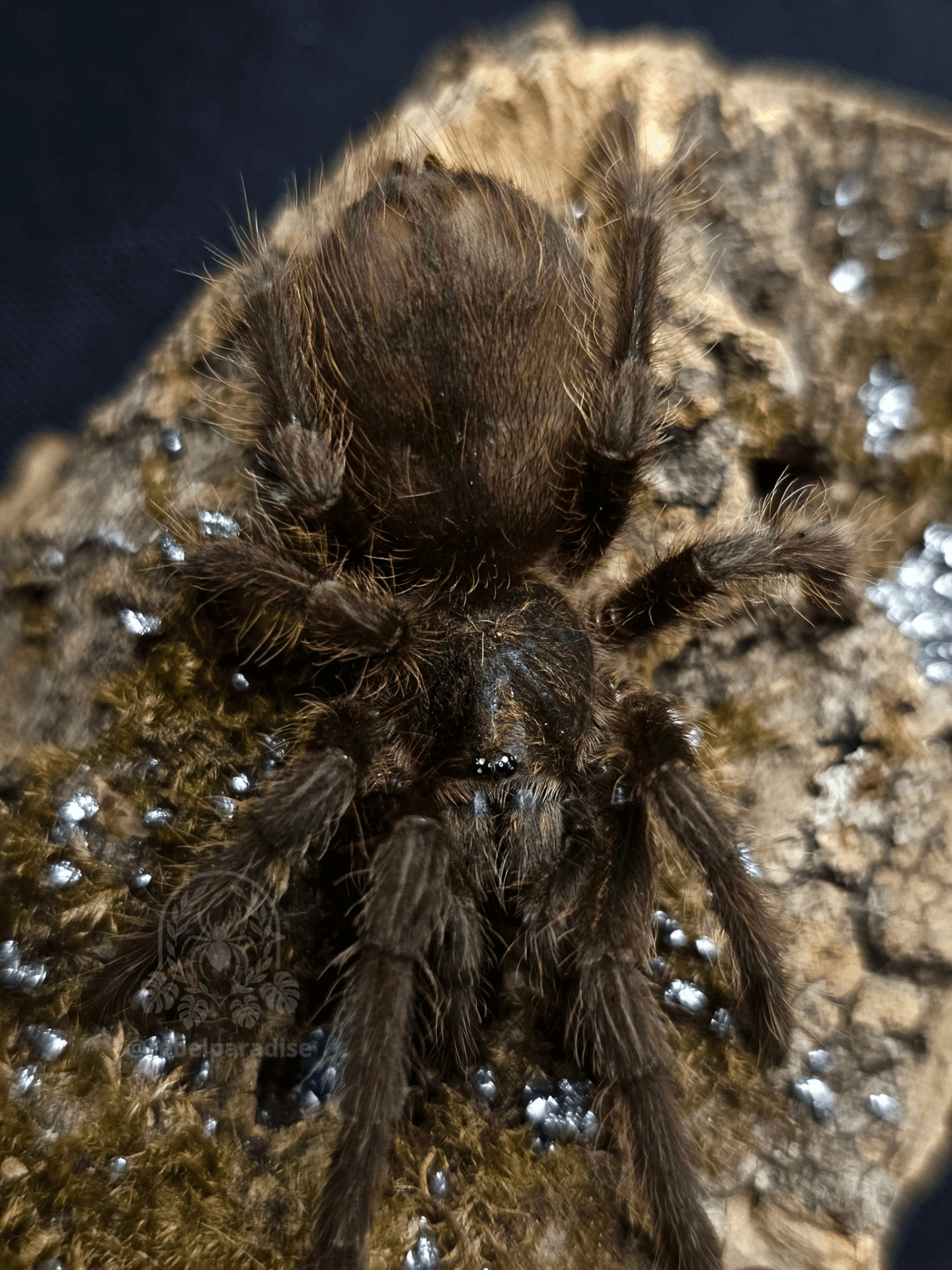
Cuban Golden (Phormictopus auratus) is a large terrestrial tarantula endemic to Cuba. The World Spider Catalog accepts the species and gives the distribution as Cuba. It was described in 2005 from central and eastern Cuba; a dense golden pubescence on the carapace is diagnostic. Adult females are clearly larger than typical Mexican Brachypelma: body length often about 6–8 cm, and the leg span may reach about 16–20 cm. It is a New World tarantula with urticating hairs, but it should not be treated as a calm starter species — it can be fast and defensive.
Origin and distribution
Cuba
The species is endemic to Cuba.
Current listings
 TRUSTED
Phormictopus auratus Female Tarantula 3DC
100.00 PLN
Available: 2 pcs.FemaleRebel Paradise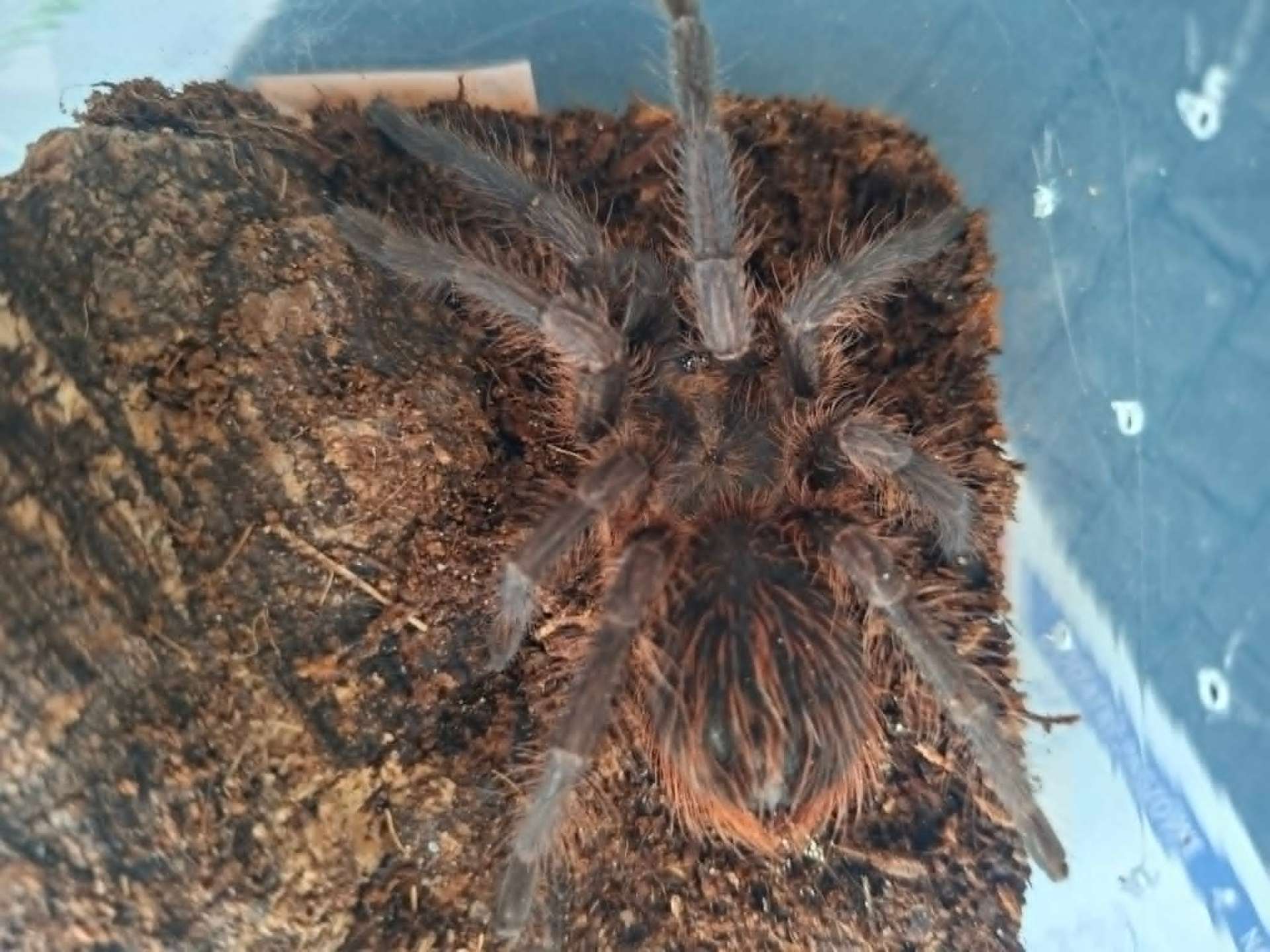 TRUSTED
Female Phormictopus auratus 4.5DC
150.00 PLN
Available: 3 pcs.Female4,5 cmMichał Kownacki TRUSTED
Phormictopus auratus (1.5cm)
45.00 PLN
Available: 9 pcs.Unsexed1,5 cmspidersworld.eu TRUSTED
Phormictopus auratus 3DC male
70.00 PLN
Available: 2 pcs.Malespidersgodeu
Care at a glance
Size
Females often approx. 6–8 cm body length; leg span approx. 16–20 cm
Enclosure type
Spacious and horizontal, for a large terrestrial species
Substrate
A thicker, stable layer; the surface may dry between waterings
Furnishings
A solid hide and constant access to fresh water
Conditions
Moderate; good ventilation, without a permanently flooded substrate
Characteristics
Large, can be fast and defensive; not a first tarantula
Care and behaviour
Phormictopus auratus is a heavy-bodied terrestrial species. The enclosure should be spacious in floor area, with a thick, stable substrate and a solid hide. Height should not invite a fall onto a hard surface. Constant access to fresh water matters more than keeping the whole enclosure wet.
A Cuban climate does not mean a permanent tropical swamp in the tank. The substrate surface may dry, while lower layers may stay slightly more humid. Good ventilation limits stuffy, still air. Do not treat a single temperature or humidity figure as a universal requirement.
Individuals can leave a hide quickly and may take a defensive posture. Urticating hairs do not rule out a bite if the spider is cornered. Plan maintenance calmly and do not try to hold the animal for long. This species suits keepers who already know the behaviour of larger New World terrestrials.
Good to know
Phormictopus auratus has urticating hairs and may use them when disturbed; contact irritates skin, eyes, and mucous membranes. When startled it can be fast and may bite. The genus Phormictopus is not listed on the CITES Appendices. Obligations may depend on the country and transaction type, and this page is not legal advice. Prefer legally sourced captive-bred animals.