
Tliltocatl albopilosus – Curly hair tarantula
3 active listings · Spiders
- Category
- Spiders
- Origin
- Costa Rica
- Lifestyle
- Terrestrial
- Difficulty
- Beginner
- Venom potency
- Weak
About the species
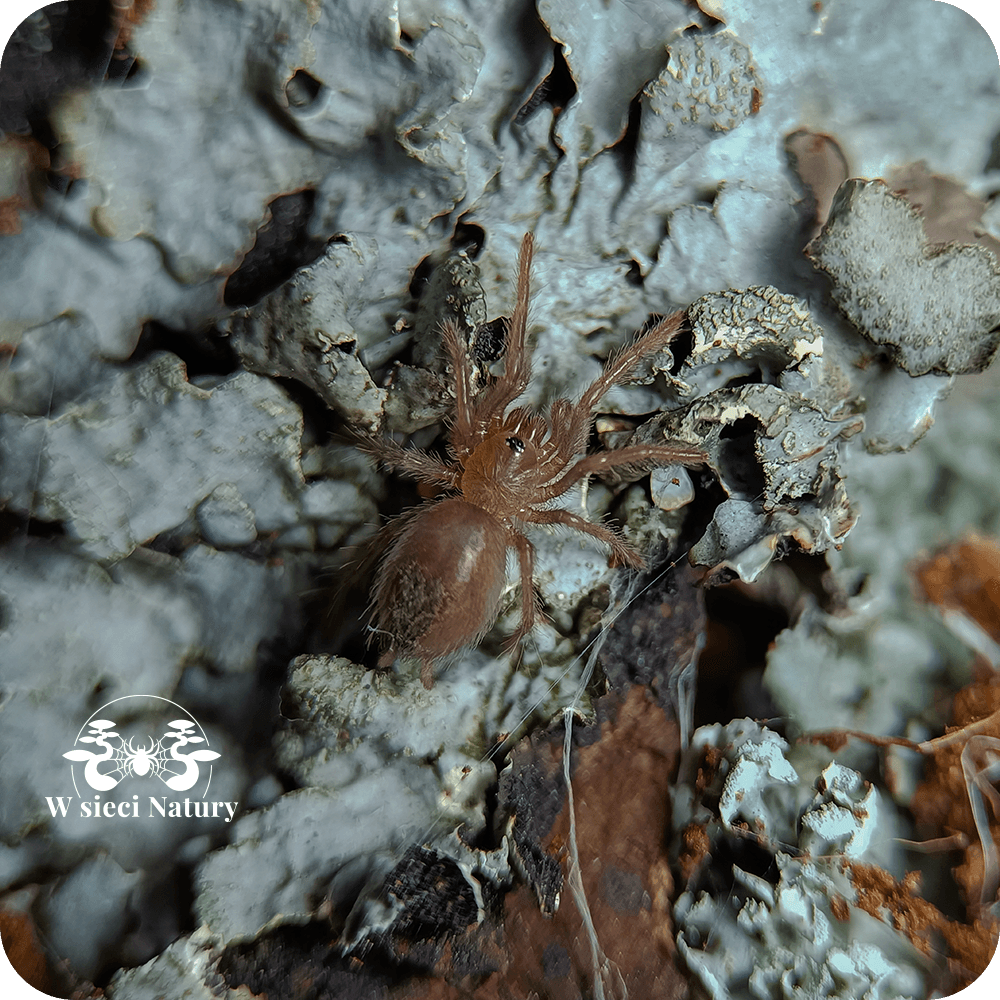
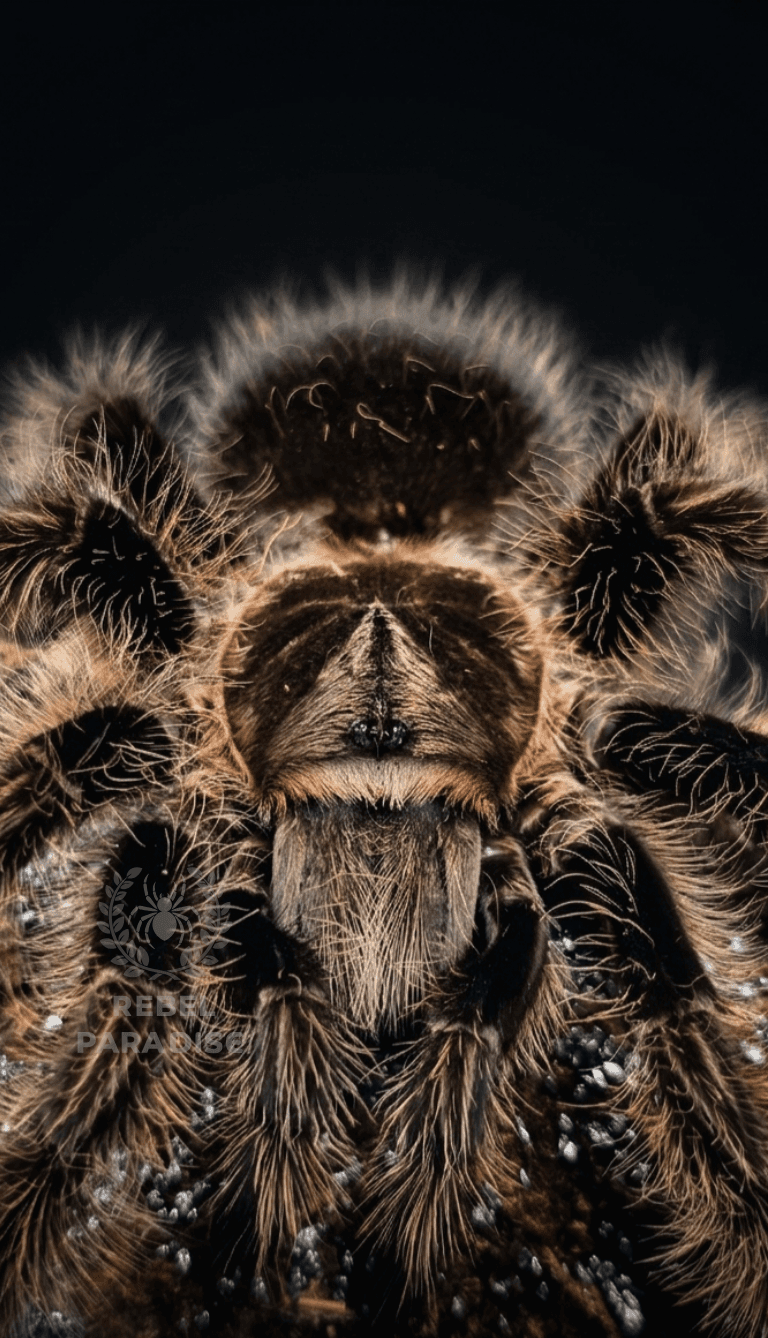
Tliltocatl albopilosus is a terrestrial tarantula from Central America, known in the hobby as the “curly hair”. Its dark brown body is covered in long, wavy setae with golden tips. It was described in 1980 as Brachypelma albopilosum from the Upala area of Costa Rica and moved to Tliltocatl in 2020. It is considered one of the calmest and hardiest tarantulas and is often recommended as a first spider. The species is listed in CITES Appendix II, so proof of legal origin matters when it is sold.
Care at a glance
Size
Females about 13–15 cm leg span; about 6 cm body length
Enclosure type
Terrestrial, horizontal; floor space matters more than height
Substrate
8–12 cm, lower layer slightly moist
Furnishings
Cork hide, water dish
Conditions
22–27°C, moderate humidity, ventilation
Characteristics
Calm, slow-growing, urticating hairs, CITES II
Current listings
Origin and distribution
Costa Rica
The species is endemic to Costa Rica.
Appearance and size
Body and legs are dark brown to black, but the setae make the impression: long, curly or wavy hairs with pale golden tips, dense especially on the legs and abdomen. After a moult the spider looks darker and the hairs more contrasting.
Adult females reach a leg span of about 13–15 cm and a body length of about 6 cm. Males are slimmer, longer-legged and carry tibial hooks and palpal bulbs after the final moult.
Origin, name and hobby forms
Valerio described the species in 1980 from the Upala area in Alajuela Province, Costa Rica, near the Nicaraguan border. The World Spider Catalog gives the range as Costa Rica. In 2020 Mendoza and Francke moved the species from Brachypelma to the new genus Tliltocatl.
The hobby keeps lines labelled “Nicaragua” and “Honduras”, which differ slightly in size and in how curly the hairs are. Their taxonomic status is not settled in the literature, so it is best not to mix lines of different origin when breeding.
Enclosure and substrate
An adult female needs an enclosure with a floor of about 40 × 30 cm. It is a heavy terrestrial spider, so keep the gap between substrate and lid small. Use 8–12 cm of substrate (coco fibre, soil or a mix) so the spider can deepen its hide.
A cork hide and a permanent water dish are enough. Tliltocatl albopilosus likes to dig and move decor, so heavy, stable pieces work best.
Temperature and humidity
The species does well at room temperature, 22–27°C. The lower substrate should be slightly moist while the surface may dry out. Watering part of the substrate along one edge every few days is enough.
As with most terrestrial tarantulas, good ventilation matters more than high humidity. Permanently wet substrate without airflow encourages mould.
Feeding and growth
Juveniles eat small crickets or roaches every 4–7 days, adult females every one to two weeks. Adults may refuse food for several weeks, especially before a moult, which is normal.
Growth is slow: males usually mature after 3–4 years, females after 4–6 years. Females are long-lived, often more than 15 years, which is worth considering before buying.
Behaviour and handling
Tliltocatl albopilosus is usually calm and often sits in the open. When disturbed it is more likely to turn and kick urticating hairs than to bite. Many individuals tolerate calm handling, but holding a tarantula always risks a fall and injury to the spider.
Do maintenance with tongs. Use a container for rehousing and open the enclosure calmly.
CITES and paperwork
The genus Tliltocatl (formerly in Brachypelma) is listed in CITES Appendix II, which corresponds to Annex B of EU Regulation 338/97. In practice, selling and buying requires a document proving legal origin, usually captive breeding. Registration requirements differ between countries.
When buying, ask the seller for proof of origin and keep it with your purchase records. This information is not legal advice.
Good to know
Tliltocatl albopilosus has urticating hairs that can irritate skin, eyes and airways. The genus Tliltocatl is listed in CITES Appendix II (EU Annex B); obligations depend on the country and transaction, and this information is not legal advice. Require legally sourced captive-bred animals.
Frequently asked questions
Is Tliltocatl albopilosus good for beginners?
Yes, it is one of the most often recommended first tarantulas: calm, hardy and undemanding. Just keep the urticating hairs and slow growth in mind.
Does Tliltocatl albopilosus need CITES paperwork?
The species is listed in CITES Appendix II (EU Annex B). A sale requires a document proving legal origin; details depend on the country.
Brachypelma albopilosum or Tliltocatl albopilosus?
They are the same species. In 2020 it was moved from Brachypelma to Tliltocatl, and the older name still appears in listings.
How fast does Tliltocatl albopilosus grow?
Slowly. Females usually mature after 4–6 years and can live more than 15 years.
What is the difference between the “Nicaragua” and “Honduras” forms?
They are hobby labels for lines with slightly different size and hair. Their taxonomic status is unresolved, so do not mix them when breeding.
Similar species
Written by the Terra Market team ·