Lasiocyano sazimai
Brazilian Blue
9 active listings · Spiders
Category
Spiders
Origin
Brazil — Espinhaço Range (Bahia / Minas Gerais)
Lifestyle
Terrestrial
Difficulty
Beginner
Venom potency
Weak
About the species
Brazilian Blue (Lasiocyano sazimai) is a terrestrial tarantula endemic to Brazil, known primarily for the intense blue, iridescent colouration of the carapace and legs. The species occurs in the mountain areas of the Espinhaço range in the states of Bahia and Minas Gerais, in the characteristic campos rupestres habitats. Adults reach about 14–16 cm in leg span. Lasiocyano sazimai may use natural crevices and hides and periodically dig, and its colouration is particularly intense after a moult.
Origin and distribution
Brazil — Espinhaço Range (Bahia / Minas Gerais)
The species is endemic; its range is restricted to Espinhaço Range (Bahia / Minas Gerais) within Brazil.
Current listings
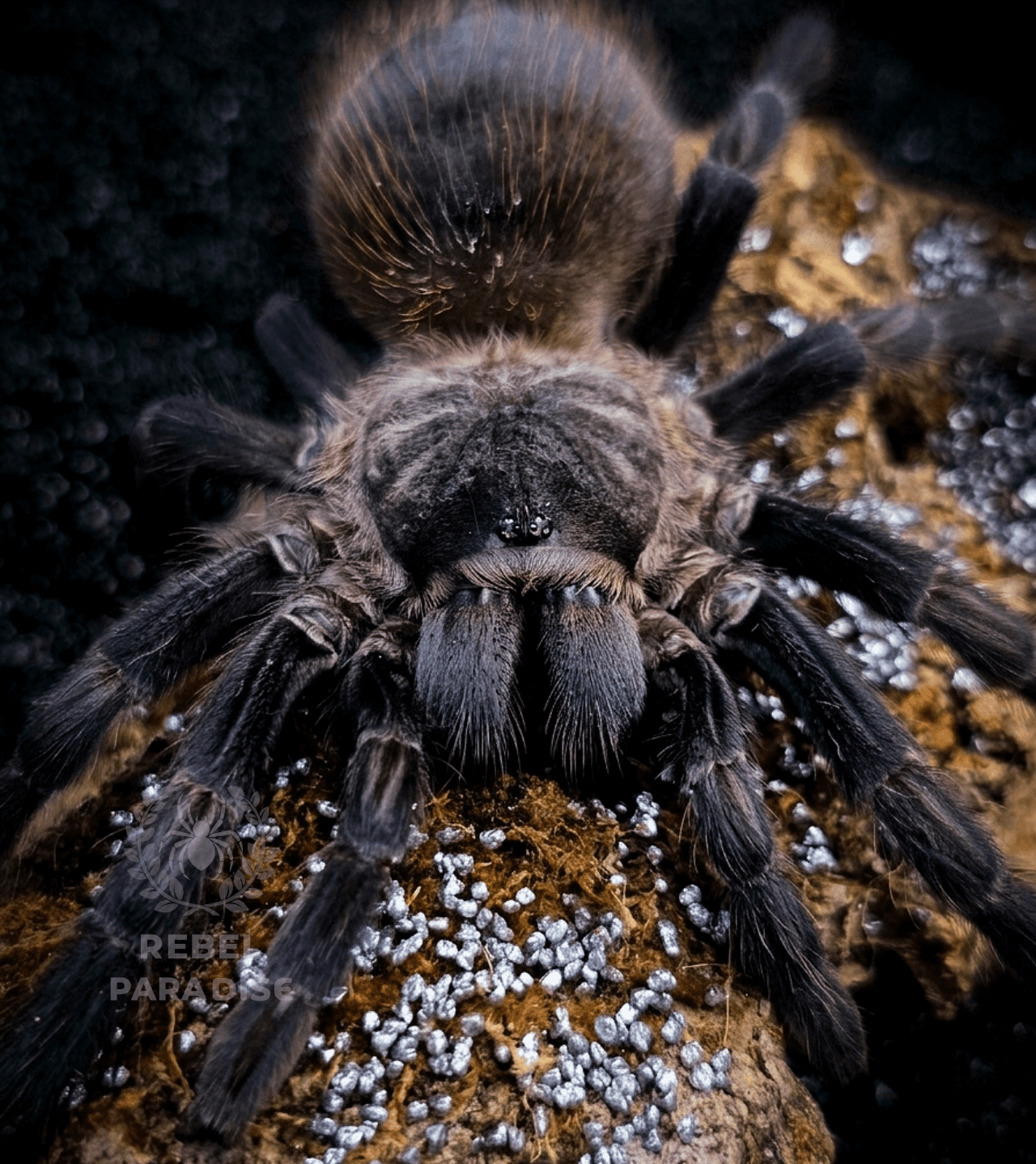 TRUSTED
Lasiocyano sazimai Tarantula, L3
20.00 PLN
Available: 10 pcs.UnsexedL3Rebel Paradise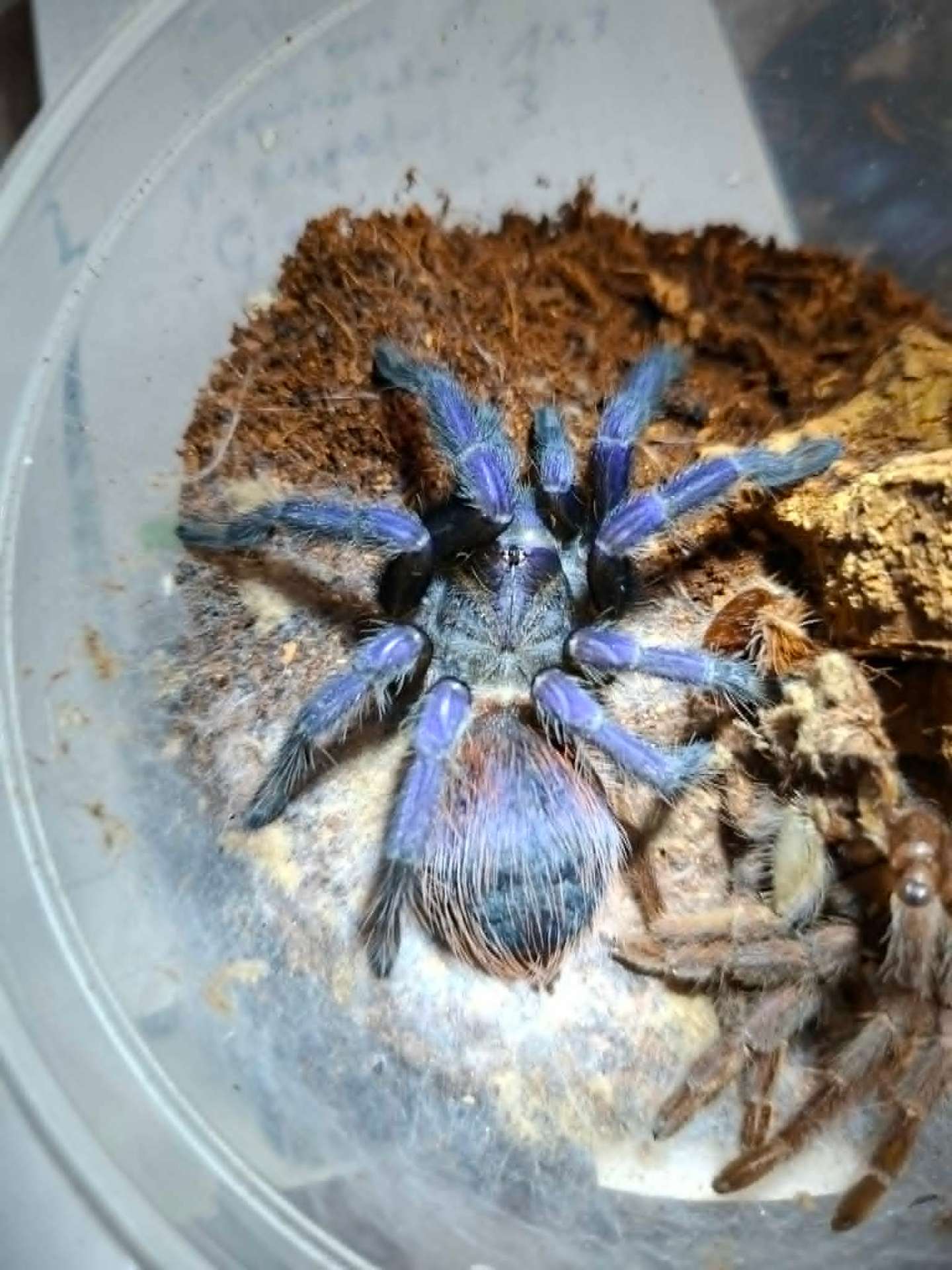 TRUSTED
A beautiful female Sazimai
150.00 PLN
Last piece!Female5 cmMichał Kownacki TRUSTED
Lasiocyano sazimai l4 Juvenile
35.00 PLN
Last piece!UnsexedL4Terra Spiders Pl TRUSTED
Lasiocyano sazimai Female + Male (6.5cm)
180.00 PLN
Available: 5 pcs.Pair6,5 cmspidersworld.eu TRUSTED
Lasiocyano sazimai Male (6.5cm)
50.00 PLN
Available: 4 pcs.Male6,5 cmspidersworld.eu TRUSTED
Lasiocyano sazimai (1cm)
20.00 PLN
Last piece!Unsexed1 cmspidersworld.eu TRUSTED
Lasiocyano sazimai 3DC male
60.00 PLN
Available: 4 pcs.Malespidersgodeu TRUSTED
Lasiocyano (ex. Pterinopelma) sazimai L5
30.00 PLN
Available: 9 pcs.UnsexedL5reptilesbrothers.pl TRUSTED
Lasiocyano (ex. Pterinopelma) sazimai L4
25.00 PLN
Available: 5 pcs.UnsexedL4reptilesbrothers.pl
Care at a glance
Size
Leg span approx. 14–16 cm
Enclosure type
Horizontal, for a terrestrial species with the option of digging
Substrate
A thicker layer of stable substrate; the lower parts may be slightly more humid
Furnishings
A hide, constant access to fresh water, and structures that allow the spider to create a retreat
Conditions
Moderate; good ventilation and the possibility for the substrate surface to dry
Characteristics
Iridescent blue colouration, a moderate growth rate, and a fast response when disturbed
Care and behaviour
Lasiocyano sazimai is a terrestrial species that should be given a sufficiently thick layer of stable substrate. The spider may use a ready-made hide, natural crevices, or deepen a shelter itself, so the substrate should allow such behaviour.
A moderate moisture gradient works well in the enclosure: the lower substrate layers may remain slightly damp, while the surface should be able to dry. Constant access to fresh water and good ventilation help avoid both drying out and constantly humid, stuffy conditions.
The species may be calm during observation, but when startled it can move quickly. It usually shows a decisive feeding response and may periodically remain in view, making it a striking display species.
Good to know
Lasiocyano sazimai has urticating hairs and may use them when threatened. The species also has a limited natural range in the Brazilian Espinhaço mountains, and its wild populations are under pressure associated with habitat degradation and illegal collection. When purchasing, it is worth choosing captive-bred specimens from legal sources and avoiding animals of unclear origin.